
Different Types of Tacos in Mexico (and How to Order)

Ask someone to name a few different types of tacos and you’ll likely hear the same ones: al pastor, carnitas, maybe birria. But the reality is, there are dozens of kinds of Mexican tacos, and many of them never make it onto a menu outside the country.
Every region in Mexico has its own signature taco, shaped by local ingredients, Indigenous traditions, and generations of family recipes. You’ll find smoky carne asada in the north, slow-cooked cochinita pibil in the Yucatán, fresh seafood tacos along the Baja coast.
I grew up between Mexico and the US, so I’ve eaten my fair share of tacos on both sides of the border, and I know the difference between the real thing and the version that’s been adapted for American taste.
Here’s every type of Mexican tacos, where they come from, what makes each one different, and which ones are worth ordering twice.
This article may contain affiliate links. This means if you click a link on my website and make a purchase, I earn a commission at no additional cost to you. For full information, please see my disclaimer here.
What type of tacos are the most popular?
Tacos al pastor are the most popular type of tacos in Mexico, though popularity shifts by region. Tacos de asada dominate the north, conchinita pibil rules the Yucatán, suadero is a Mexico City staple, and birria, originally from Jalisco, has gone international.
How are tacos in Mexico traditionally served?
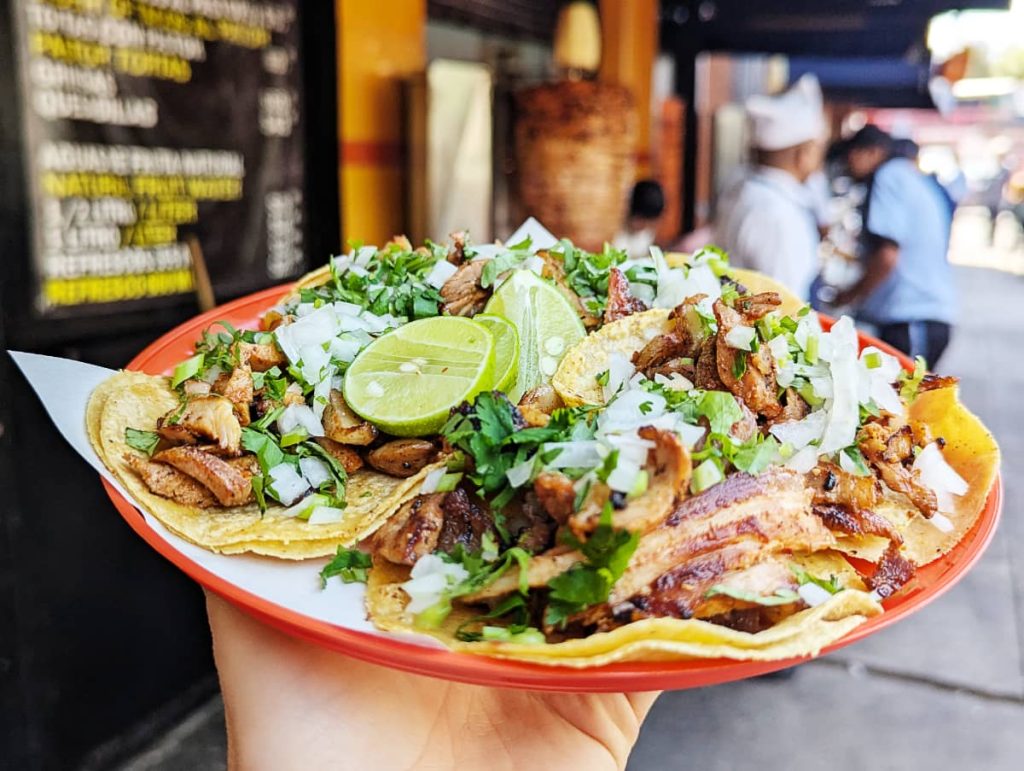
Tacos in Mexico are traditionally served on a soft tortilla: corn in south and central Mexico, flour in the north. Toppings are simple: chopped raw onion and fresh cilantro with a lime wedge and a variety of salsas, guacamole or curtidos (pickled chilis and onions) on the side.
Types of Pork Tacos
Pork is a common protein choice for Mexican tacos due to its low cost and versatility. Showing up in tacos de guisado, chicharrón and al pastor, pork goes a long way in the kitchens of working class Mexicans.
1. Tacos al Pastor
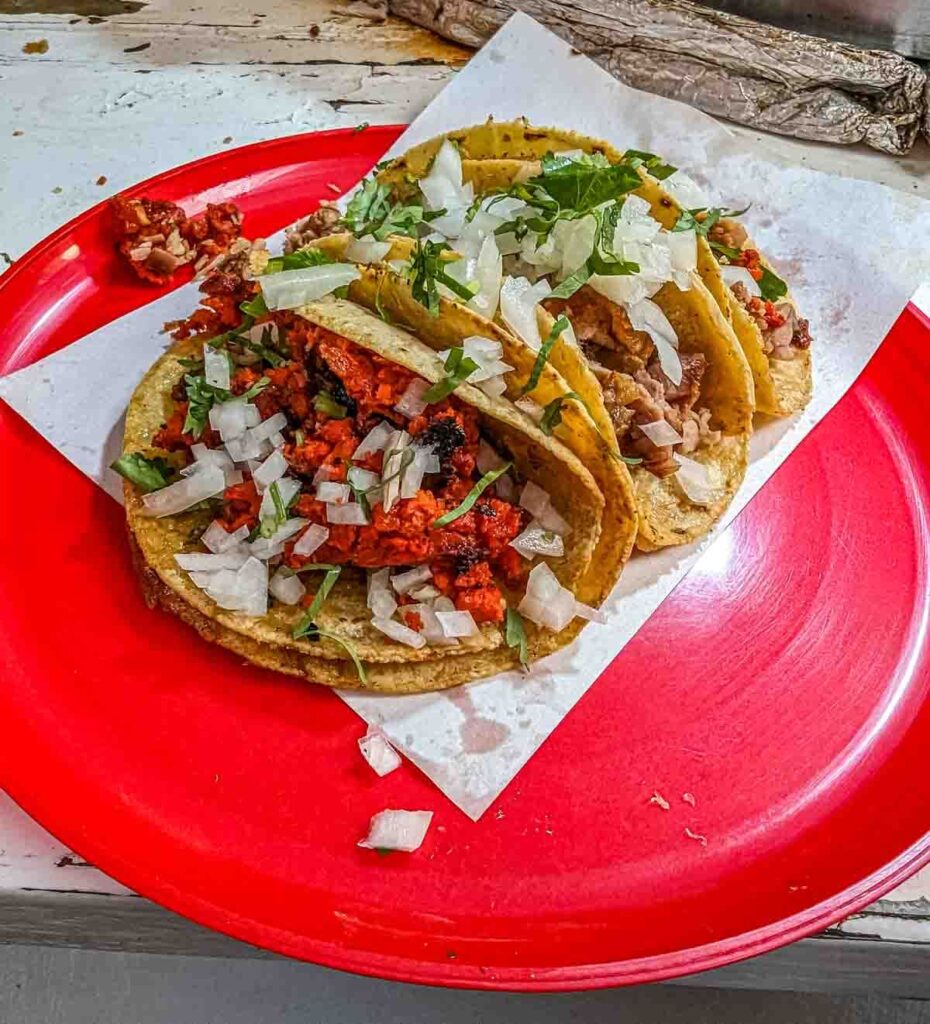
When I was a kid, tacos al pastor were my favorite. You’ll see bright red slabs of marinated pork slowly turning on rotating spits (trompos) throughout the streets of Mexico.

To serve them, a taquero stands at the spit with a long, sharp knife, shaving off thin slices of meat that fall straight into the small tortilla in his other hand. He then tops it with a slice of pineapple carved from the top of the same spit.
The cooking technique was introduced by Arab immigrants, but the flavor is uniquely Mexican. Achiote, which gives tacos al pastor their characteristic red color, is a seasoning the Aztecs and other indigenous groups used long before tacos existed.
2. Carnitas
Carnitas famously hail from the state of Michoacán. They’re made by frying chunks of pork in its own lard, traditionally in a huge copper cazo (pot), and seasoning generously with salt and aromatics like onion, garlic, bay leaf, thyme and marjoram.
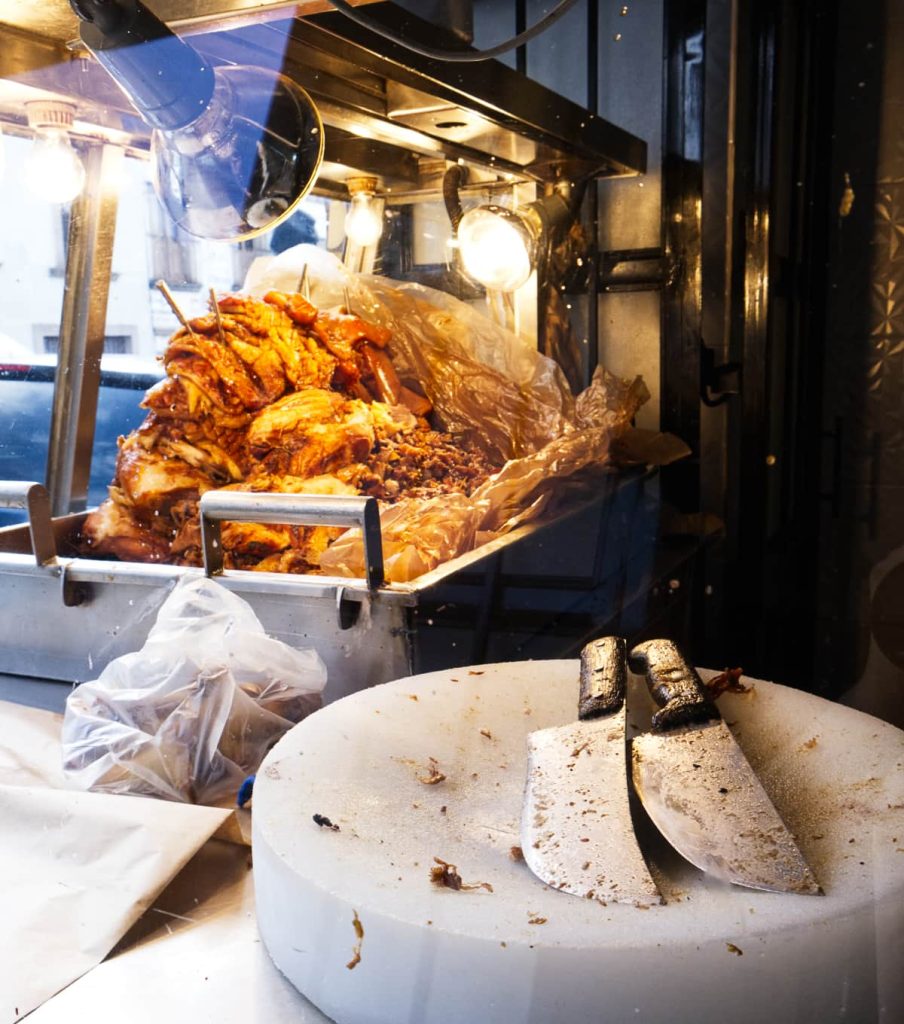
The first time I made carnitas, one thing surprised me: it’s typical to add a sweet ingredient. Orange juice, Coca-Cola and evaporated milk are all common choices. The sugar caramelizes the meat as it cooks, giving carnitas their golden-brown color and crispy edges.
Tacos de carnitas are a favorite for parties and gatherings since they’re inexpensive and easy to prepare in volume. They have a meaty flavor and melt in your mouth texture. Carnitas are often served with salsas and guacamole, as well as sides like red rice, refried beans and cactus salad.
3. Cochinita Pibil
Cochinita pibil is a unique Mayan dish. You can find them in other places, but nothing beats tasting these tacos in the Yucatán.

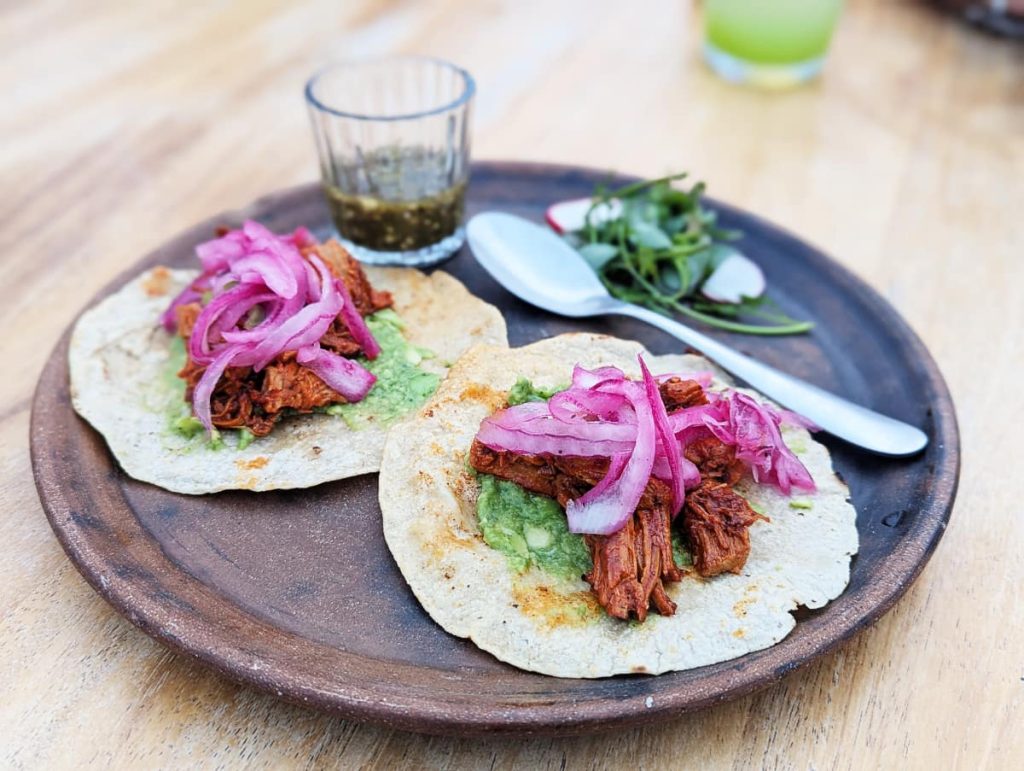
Cochinita pibil starts with pork marinated in achiote, sour orange, and a blend of spices. It’s then wrapped in a banana leaf and stewed for hours until the pork is tender enough to pull apart with a fork. It’s served on corn tortillas and accompanied by lime wedges and a vibrant hot pink curtido of pickled onions and habanero peppers.
4. Tacos de Costilla
Tacos de costilla (ribs) are almost always pork. If they’re beef, the menu will usually specify costilla de res. The flavor is simple: meaty, clean, with a hint of smokiness from the grill.
These tacos come together with flour or corn tortillas (depending on the region) stuffed with diced, juicy pork, topped with onion and cilantro and served with a variety of salsas on the side.
5. Chorizo Tacos
Tacos de chorizo are some of my favorites. Red chorizo has a touch of heat and a punch of flavor while green chorizo (famous in Toluca) has a brighter, herbaceous flavor and zest.
Bonus tip: if you see queso fundido con chorizo on the menu, I highly recommend it! It’s essentially a thick cheese fondue with chorizo, and you’ll usually be asked whether you want corn or flour tortillas. I prefer mine with flour tortillas and a generous squeeze of lime, salsas and curtidos.
6. Longaniza Tacos
Longaniza sausage is similar to chorizo but coarser in texture and prepared with different spice blends. States like the Yucatán, Hidalgo, Puebla, and Tlaxcala each have their own version.
Depending on the region you can expect notes of oregano, black pepper, cumin, and clove. Dried chiles like guajillo and ancho are commonly used in central Mexico, while Valladolid Mexico is famous for their longaniza made with achiote.
Longaniza’s coarser texture makes for a distinctive bite that allows you to appreciate bits of gristle, fat and meat. The sausage is grilled or fried before being chopped into tacos and topped with onion, cilantro, and salsa.
7. Tacos de Lechón
Lechón is a whole suckling pig, slow-roasted and finished at high heat until the skin turns crackling-crisp, a delicious contrast to the exceptionally tender meat.
Tacos de lechón have become popular across Oaxaca over the past decade, but the real star is the salsa: creamy and extremely spicy. Variations of the salsa exist including salsa de habanero, salsa de aguacate, and guacamole falso to name a few. All are equally delicious.
Types of Beef Tacos
Beef tacos are some of the most popular and diverse types of tacos in Mexico, and every region has its specialty. But they taste very different.
A rancher’s grilled steak and a street vendor’s fatty suadero have almost nothing in common, including the tortilla they’re served on. Travel Mexico and you’ll find everything from tacos de cabeza to crispy beef birria.
8. Bistek Tacos

Bistek tacos are most commonly made with thinly sliced, inexpensive cuts of beef, seasoned and cooked fast on a flat top grill. The flavor is mild and straightforward, with no strong seasoning to hide behind.
These Mexican tacos might be the best entry point for picky eaters who want to try something new without feeling intimidated. They’re often served with grilled onions, cilantro, salsa, and nopales.
9. Suadero
One of the most popular street tacos in Mexico City, tacos de suadero use a cut of beef near the belly or navel area. The meat is succulent and fatty, largely thanks to how it’s cooked. It simmers slowly in its own rendered fat on a wide, dome-shaped comal, then gets chopped and seared on the same hot surface before it’s wrapped in a warm tortilla.

In Mexico City these tacos are typically heaped with slices of juicy nopales, crisp raw onion and zesty cilantro. Some vendors add a touch of cheese for creaminess. You’ll find a simpler version of tacos de suadero in other parts of Mexico: warm corn tortilla, cilantro, diced raw onions and a lime wedge. But just between us, I prefer the Mexico City style.
10. Carne Asada
Asada has had its moment internationally, but nothing beats eating these tacos in Mexico.
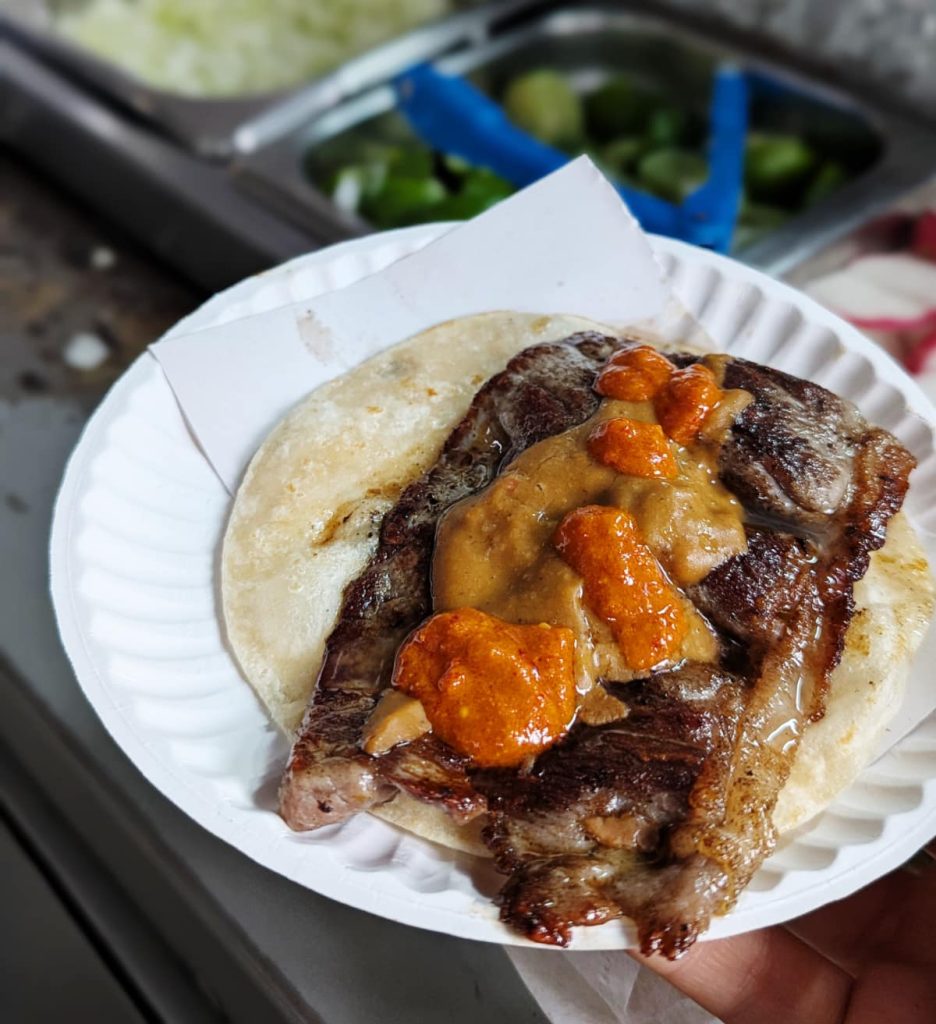
The flavor: charcoal grilled, meaty, and rich. Simple garnishes of raw onion and cilantro rest atop the grilled meat and a warm tortilla (flour in the north, corn in the rest of the country).
Asada’s clean, familiar flavor makes it an easy entry point for picky eaters, while the char off the grill gives adventurous eaters something to chase. If you’re feeling bold, a spicy salsa works especially well here.
11. Birria
Birria might be the most viral Mexican food of the past few years. You’ve seen it all over your social feed: a cheese-crisped tortilla filled with slow cooked beef, better known as quesabirria, being dipped into a rich red broth called consomé.
Birria was traditionally made with goat (chivo), which has a gamier taste. But today it’s common to find birria de res (beef), so make sure you ask first.
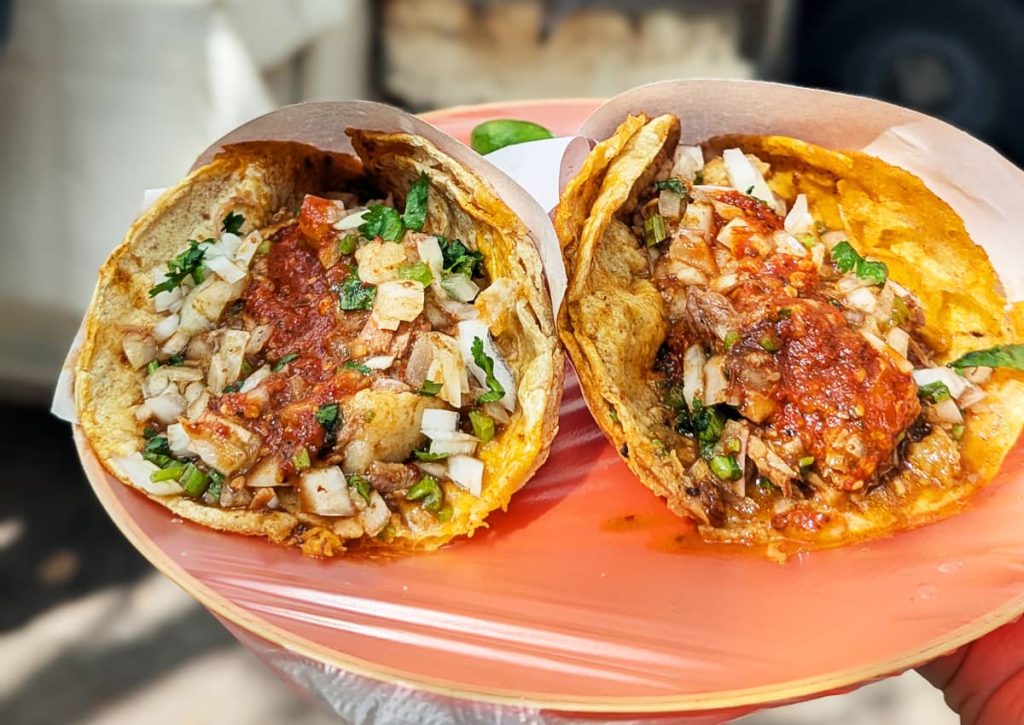
This stew transforms tough cuts of meat until they’re tender enough to shred with a fork, using a blend of spices, acids, and cooking techniques passed down for generations. The chili blend typically includes guajillo, ancho, and morita, backed by warming spices like pepper, cinnamon, thyme, clove, and cumin. Onion and garlic round out the aromatics, while tomato and vinegar bring the acid that helps tenderize the meat.
Traditional birria is from Jalisco but this popular dish has traveled north, south and internationally, picking up twists along the way. I secretly still think it tastes the best in the central and northern regions of Mexico.
12. Tacos de Cabeza

Tacos de cabeza (cow head tacos) are not nearly as gnarly as the name suggests, although it did make our list of weird Mexican foods to try. The meat comes from the head of the cow: cheek, tongue, the muscle around the eye to name a few. Each one brings a different texture to the taco.
The meat is steamed with aromatics until it’s tender and mild, no gaminess, no strange edge. If no one told you what it was, you’d probably never guess.
13. Tacos de Tripa
Tripe tacos, made from the stomach lining of a cow, are a delicacy you can’t pass up. Done right, they’re crisp on the outside, tender inside, with none of the funk you might expect.
Tripas are washed thoroughly, then crisped on a grill before landing on a corn tortilla. Raw onion and fresh cilantro cut through the richness of the meat. If you’re apprehensive try it the local way: a generous squeeze of lime and a very spicy salsa roja.
Craving more Mexican food? Next up:
🌽 Elotes, Esquites, and Doriesquites
🌶️ Unique Foods in Mexico to Try
🫔 Different Types of Tamales
🥣 Where to Eat Chilaquiles in Mexico City
Other Popular Kinds of Tacos in Mexico
Beyond the country’s most famous tacos, Mexico is home to a vast range of regional specialties that reflect local ingredients, cooking methods, and traditions.
Some are Mexican street snacks, while others are reserved for celebrations or weekend family meals. Tacos de canasta, smoky barbacoa, Lebanese-inspired tacos árabes, these different types of tacos reveal the real range of Mexican food.
14. Tacos de Canasta

Tacos de canasta are considered a breakfast food in Mexico, meant to provide hearty fuel for the day ahead. Vendors fill small corn tortillas with simple ingredients like potato with chorizo, beans or chicharrón prensado and then stack them in a canasta (basket) lined with cloth and plastic. The trapped steam keeps the tacos warm and soft.
The basket started as a way to transport them: vendors strapped it to a bicycle, with a tub of salsa lashed to the side, and pedaled through the streets. You’ll still catch that setup sometimes, but these days you’re just as likely to find tacos de canasta at a fixed street stand. They’re affordable, portable, and sold throughout central Mexico, particularly in Tlaxcala, Puebla, and Mexico City.
15. Tacos de Guisado
Guisado is best described as a flavorful stew that can be eaten alone. In this case it’s piled into a warm tortilla with a small amount of rice and served for breakfast or lunch.

- Tinga de Pollo – shredded chicken and thinly sliced onions are stewed in a tomato and chipotle based sauce. The result is a smoky, slightly sweet guisado.
- Chicharrón Prensado – One of my favorite tacos of all time, chicharrón prensado is made using stray pieces of pork rind that break off while making chicharrón. These are pressed into a block or disk, giving this guisado its name. Salty, smoky, and packed with flavor, it’s especially common in central Mexico.
- Rajas con Crema – This guisado stews julienned chile poblano and white onion in a cream sauce. It’s sometimes served with shredded chicken or panela cheese.
- Papa con Chorizo – A staple amongst the working class. Boiled potatoes are tossed with chorizo and mashed together. The result is a hearty and comforting type of taco.
- Chile Relleno – Roasted poblano peppers are stuffed with various fillings, coated in a light egg batter, fried, and simmered in tomato sauce. Placing the entire chile inside a tortilla may seem unusual to visitors, but it’s a classic option at any tacos de guisado stand.
16. Tacos Dorados
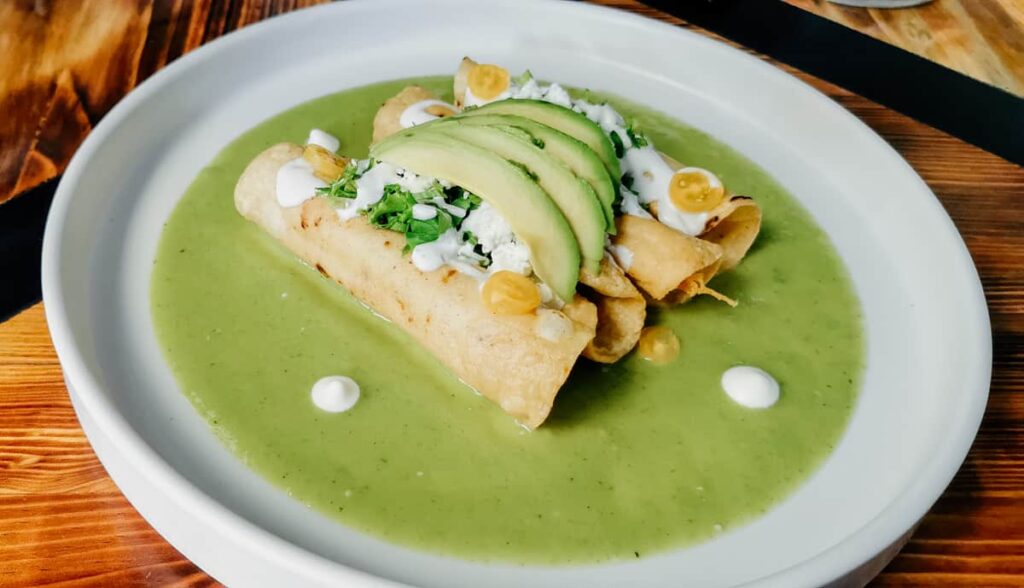
Tacos dorados, meaning “golden tacos,” are tortillas filled with shredded chicken, beef, potatoes, or beans, then rolled up and fried until crispy. They come topped with shredded lettuce, crema, salsa, and queso fresco. Similar to flautas (which are longer), tacos dorados are popular throughout Mexico as both street food and home cooking.
Tip – Tacos dorados can be messy to eat, but I recommend picking up each rolled taco separately, letting some of the toppings fall onto the plate, and scooping up the fallen bits as you eat the remaining tacos.
17. Campechano Tacos
This popular type of taco in Mexico combines two or more meats in a single taco, creating a richer blend of flavors and textures. One of the most popular versions mixes grilled beef with chorizo, although some taquerías add cecina or longaniza. They’re served with chopped onions, cilantro, and your choice of salsa.
18. Barbacoa Tacos
Traditional barbacoa is made by slowly cooking meat (lamb, sheep, or goat) in an underground pit lined with maguey leaves. The long cooking process produces exceptionally tender meat with a rich, smoky flavor.
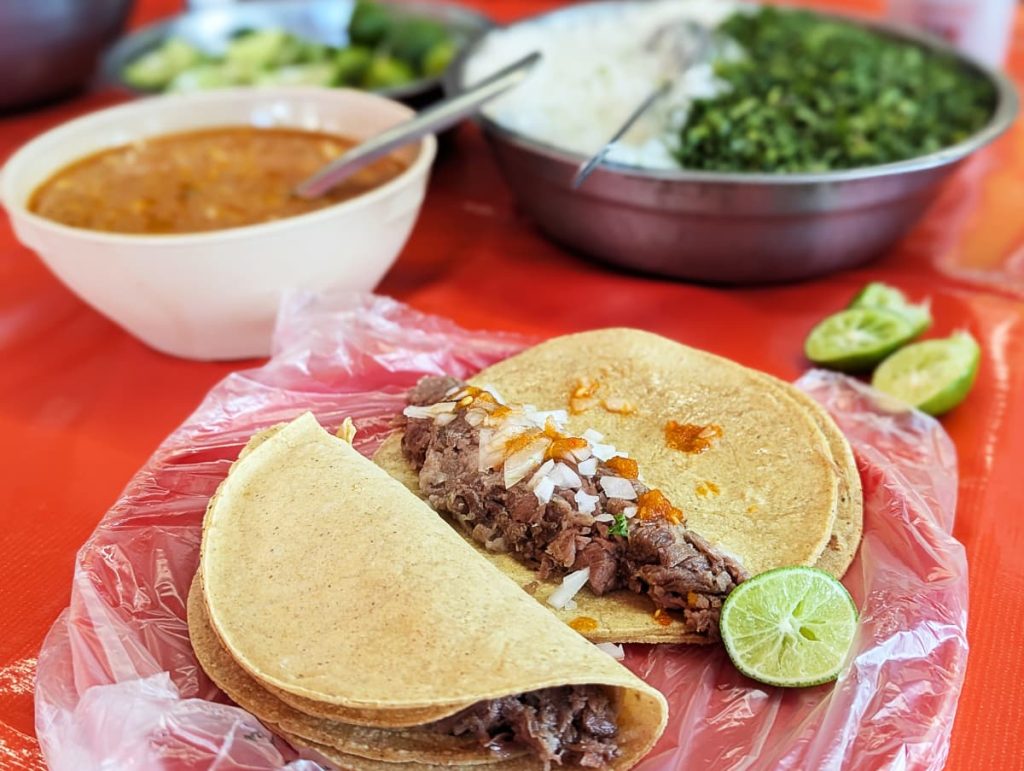
Barbacoa tacos are especially popular on weekends for breakfast alongside a hot bowl of consomé made from the cooking juices. You’ll also find street carts selling barbacoa de res (beef) throughout the week as a more affordable meat option without the long cooking time.
19. Mixiote
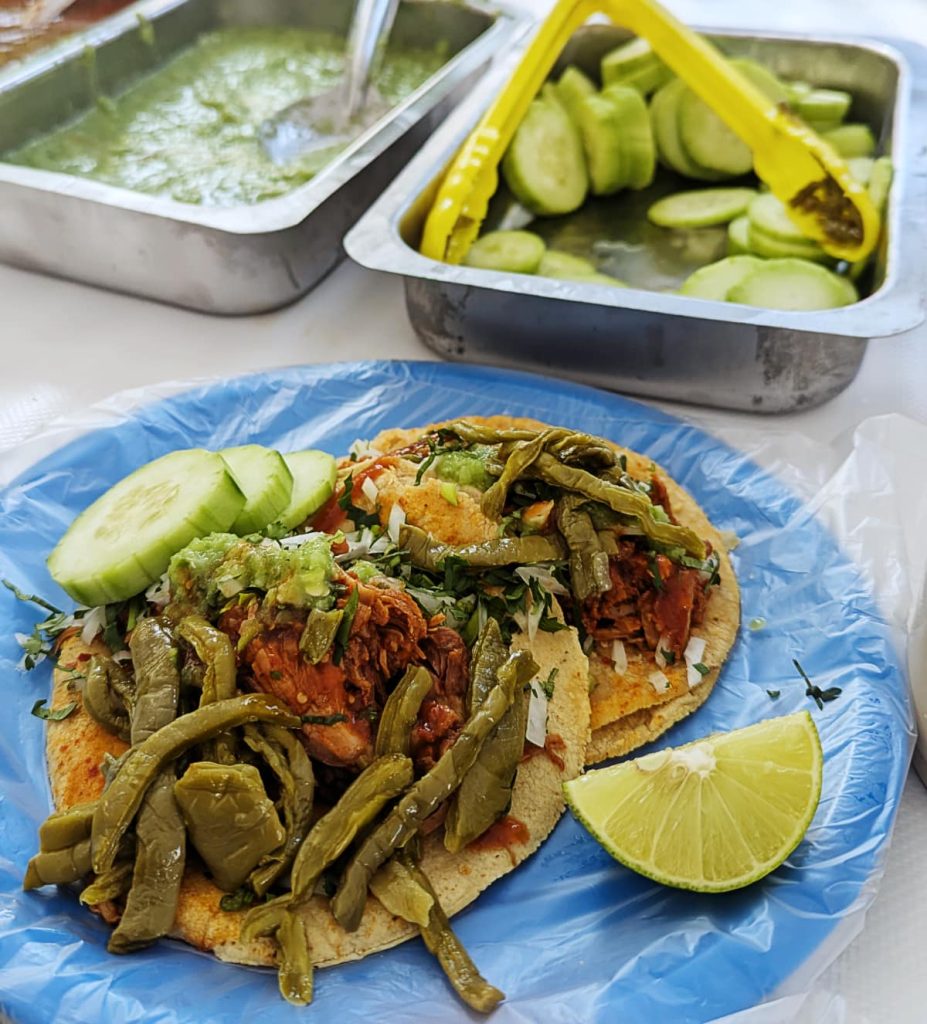
Mixiote is one of central Mexico’s oldest culinary traditions. The name comes from the Nahuatl word for the maguey plant’s thin, parchment-like membrane, which is used to wrap the filling before steaming.
The meat is marinated in a chili-based marinade, sealed and steamed until tender. To eat, the pouch is opened at the table, and the meat is pulled apart and piled onto warm corn tortillas.
20. Tacos Árabes
Tacos árabes were created in Puebla in the 1930s by Lebanese immigrants who brought shawarma-style cooking techniques to Mexico. Instead of a corn tortilla, they used a thick flour bread similar to a doughy pita and filled it with spit-roasted pork seasoned with oregano, cumin, and other spices.

Decades later, second-generation Lebanese-Mexicans in Mexico City adapted the technique into tacos al pastor by adding the achiote marinade, pineapple, and swapped the doughy pita for corn tortilla that define it today.
21. Alambre
Alambre is a hearty combination of grilled meat (beef, chicken or pork) with bacon, onions, bell peppers, and melted cheese.
The mixture is cooked on a flat-top grill and served with tortillas so diners can assemble their own tacos. The name comes from the Spanish word for “wire,” a nod to the skewers originally used to grill the meat.
Seafood Tacos
Mexico’s long Pacific and Gulf coastlines have inspired a few distinct seafood tacos, featuring the fresh catch of the day. Coastal tacos tend to be lighter than meat-filled varieties and topped with crunchy vegetables and creamy salsas.
22. Baja Fish Tacos
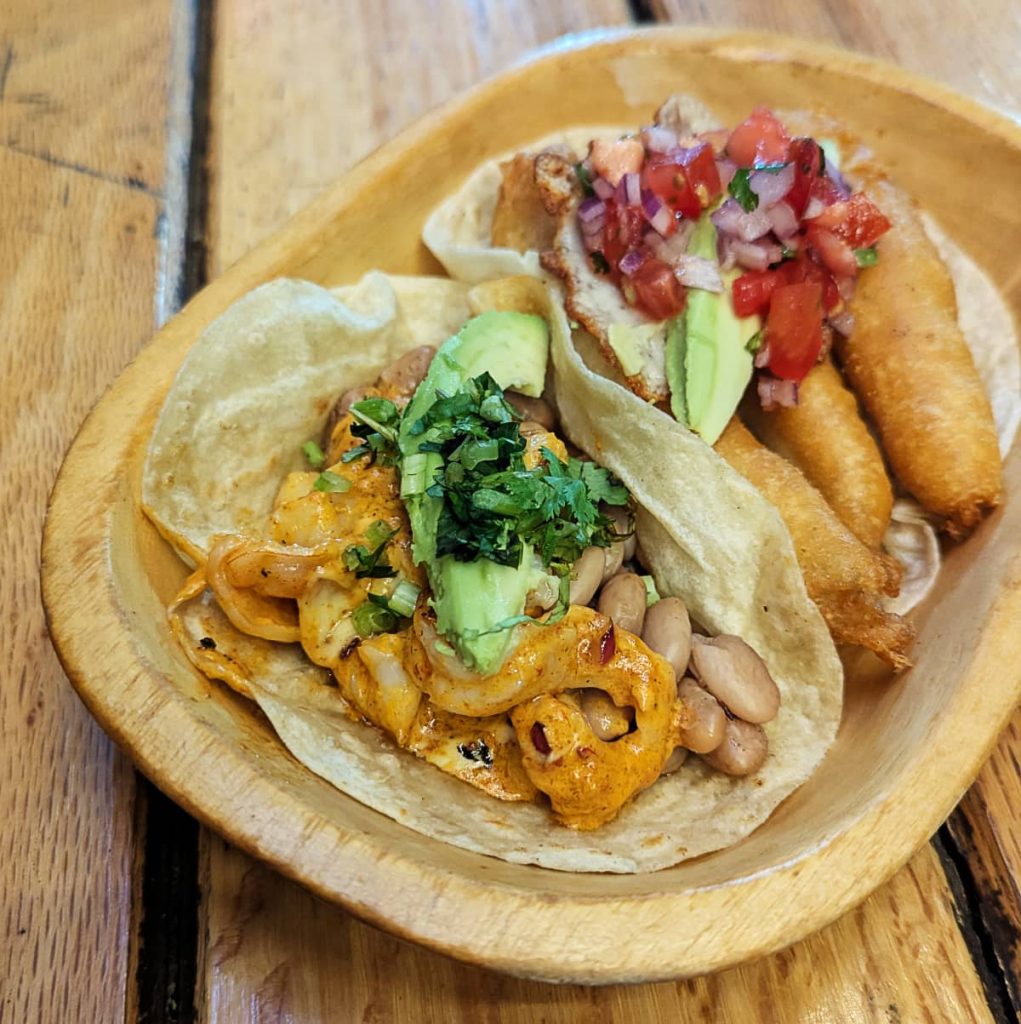
Baja tacos originate from Baja California. Fresh white fish or shrimp is coated in a thick but airy batter and deep fried, then served on a flour tortilla with a creamy slaw and pico de gallo.
This salsa breaks from the typical taquería lineup: creamy, with a dairy or mayonnaise base that complements the seafood’s lightness.
23. Tacos Gobernador
Created in Sinaloa, tacos gobernador combine sautéed shrimp with onions, poblano chilis, tomatoes, and melted cheese inside a lightly grilled tortilla. The cheese, plus the use of butter, make these tacos richer than other seafood tacos though the freshness of the shrimp still takes center stage.
Fun Fact – Gobernador means “governor” in Spanish. As the legend goes a Mazatlán restaurant invented the dish in the late 80s or early 90s to impress a visiting governor who’d raved about his wife’s shrimp tacos, and the name stuck.
24. Smoked Marlin Tacos
This type of tacos combine shredded smoked fish cooked in a garlicky, tomato-based sauce similar to tinga and other guisados on this list.
These tacos originated in the north and often come with the option of costra de queso, a technique that grills and crisps cheese into a crust over the tortilla.
How do various regional Mexican tacos differ from each other?
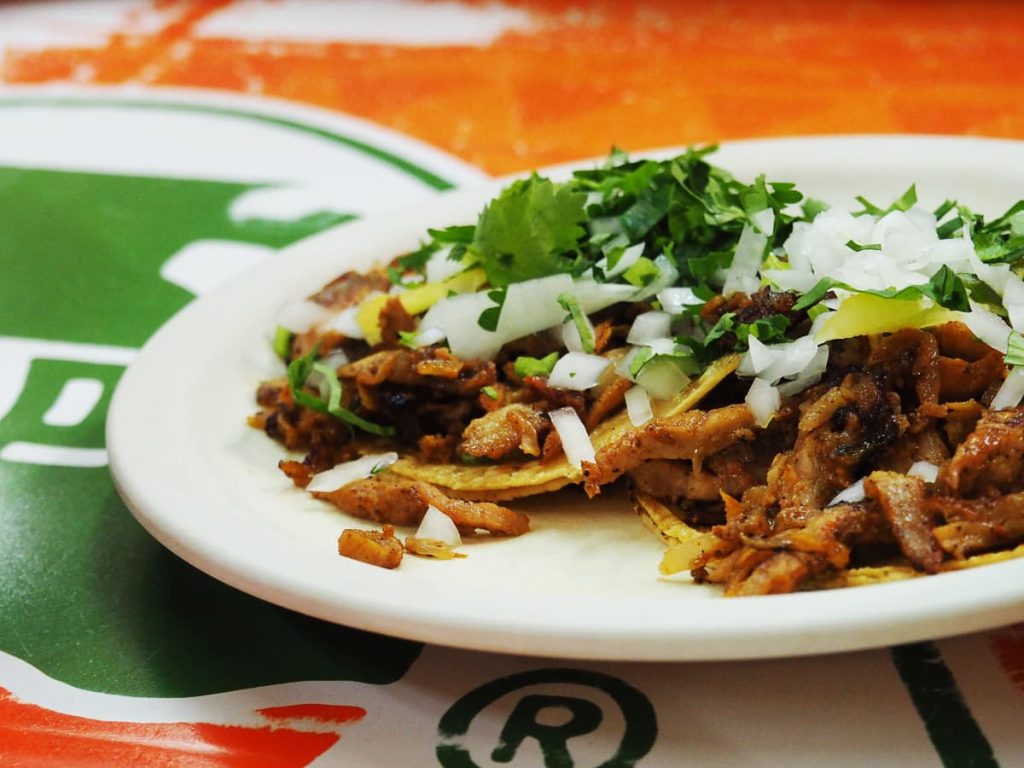
Regional Mexican tacos differ in ingredients, tortillas, and technique. Coastal regions feature fresh seafood, the north favors flour tortillas and grilled meats, central and southern Mexico are known for their use of corn tortillas and bold flavors, and Puebla’s Lebanese heritage gave rise to tacos árabes.
Are tacos the same in Mexico as they are in the US?
No, tacos in Mexico and the US are not the same, though tacos in the US have grown more authentic in recent years. The main differences: tortilla type and the US habit of adding cheese, shredded lettuce, and sour cream. In Mexico you’ll find more adventurous cuts of meat, marinades, and salsas.
What types of tortillas are used for Mexican tacos?
Mexican tacos always use soft tortillas, not hard shells. Corn is standard in the south and central regions, flour in the north. Some taquerías stack two small tortillas, others use a single large one. Even the color changes, from white to yellow to blue, depending on the type of corn used.
Wrapping Up Mexican Tacos
The sheer variety of Mexican tacos reflects the country’s regional ingredients, cultural traditions, and generations of culinary creativity.
Whether you’re sampling tacos de canasta from a street vendor, enjoying slow-cooked barbacoa on a Sunday morning, or discovering regional specialties like tacos árabes, each taco gives you a taste of Mexico’s culinary history.
Exploring the different types of tacos in Mexico is one of the most rewarding (and delicious) ways to experience the country’s rich food culture.