
What is a Tamale? Different Types + How to Eat Them

What is a tamale? Ask in Oaxaca, Michoacán, or the Yucatán, and you’ll get three different answers. Ask in South America, and they might go by another name entirely.
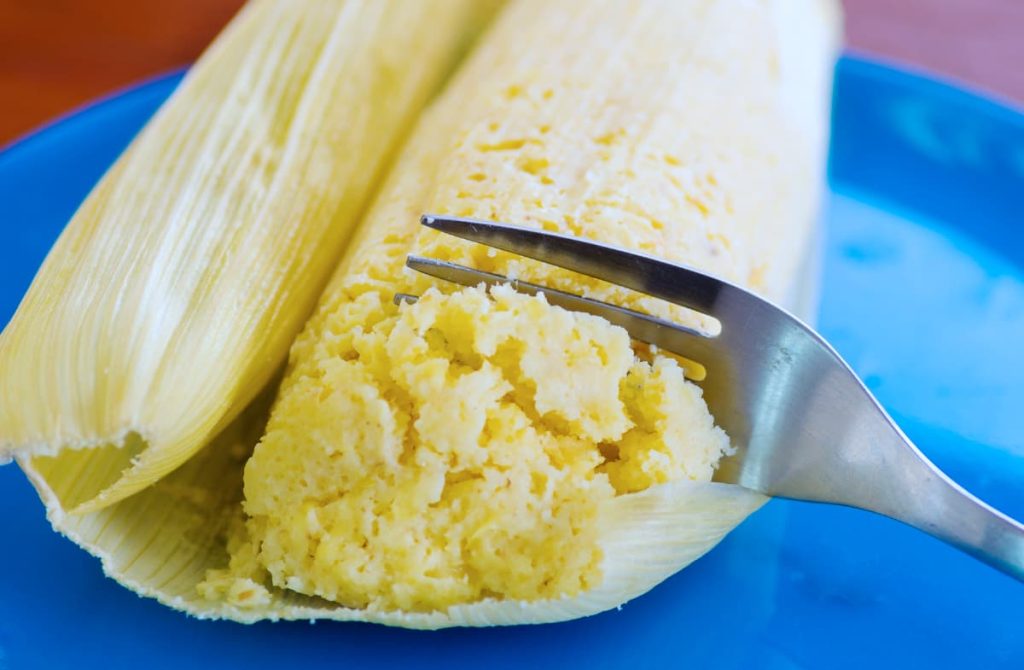
At its core, a tamale is masa (corn dough) wrapped in a corn husk or banana leaf, and steamed until firm. What a tamale is made of beyond that (the filling) depends on the region and the family making it.
On the Oaxacan coast, that could mean mangrove mussels mixed into the masa, shells and all. In Michoacán, there might be no filling at all. Elsewhere in Mexico, sweeter varieties of corn make a dough that could pass for cake.
In Ecuador, they’re called humitas, a breakfast staple eaten with a cup of coffee. In Venezuela, they’re called hallacas, a Christmas tradition filled with stew, raisins, olives, and capers.
Each family has its own way of making tamales, too. As a kid, “helping” my mom make tamales meant sitting at the table sampling the fillings. As I grew older, I learned which side of the corn husk to spoon masa on, how to patch a torn wrapper, and how to steam them so the dough comes out firm but tender.
Keep reading and I’ll walk you through the different types of tamales in Mexico and Latin America, what they taste like, and how to eat a tamale without giving yourself away as a first-timer.
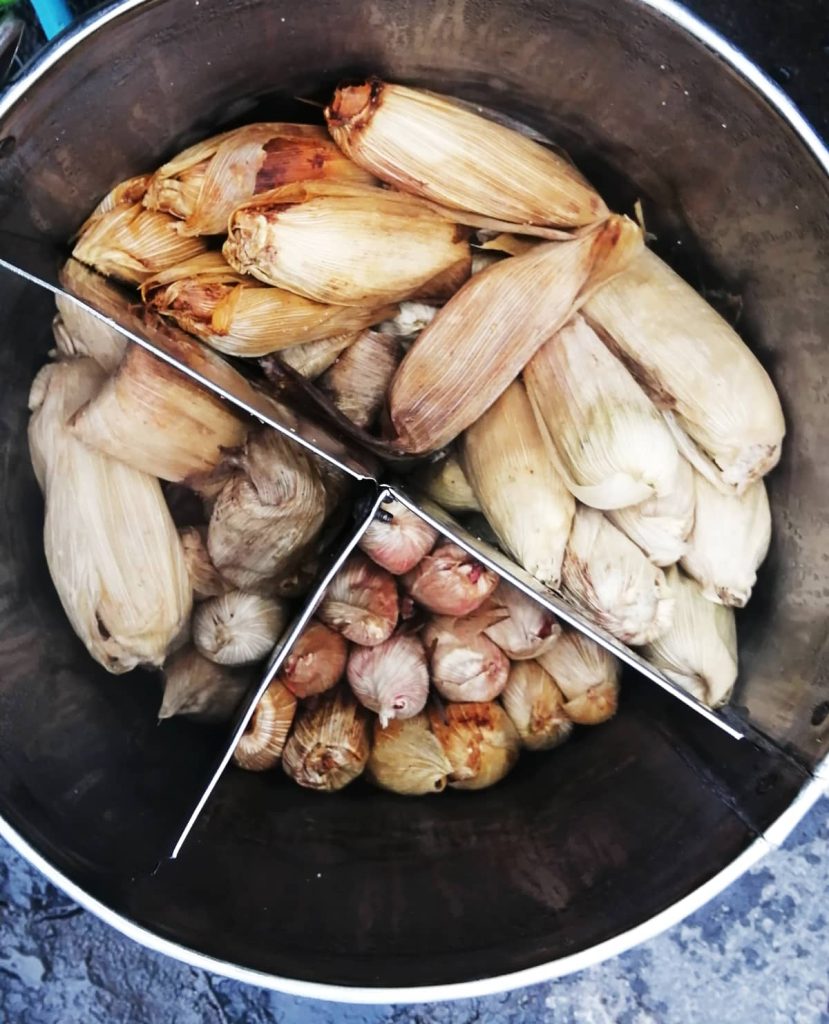
What is a Tamale Made Of?
A tamale is made of masa, a dough of corn treated with cal (mineral lime), which boosts its nutritional value. The masa is whipped with lard, broth, salt, and often baking powder until fluffy. It’s then spread onto a corn husk or banana leaf, topped with a filling, wrapped, and steamed until firm.
Quick Note: If you ask a native Spanish speaker, “What is a tamale?” you might get a raised eyebrow. There’s no such word in Spanish. The word they’d use is tamal. Tamales is plural, and at some point English speakers mistook the e for part of the word. From here on, I’ll mostly call it by its Spanish name.
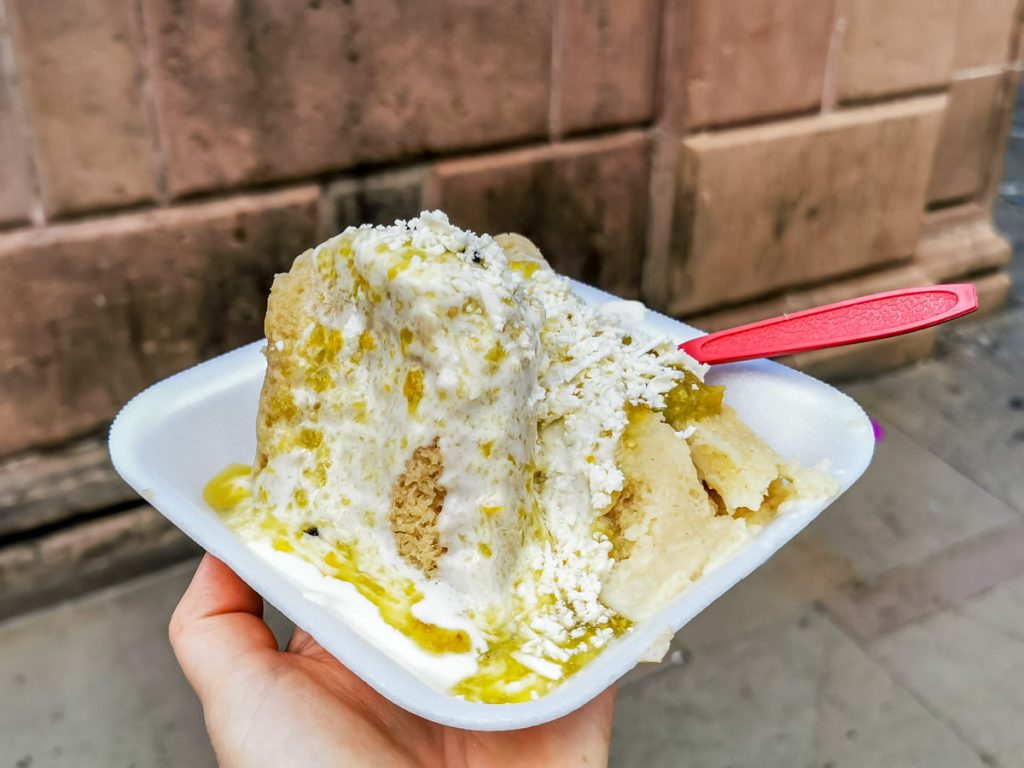
10 Different Types of Tamales in Mexico
In Mexico, tamales vary by region. They are shaped by local corn varieties and available fillings. Some are wrapped in corn husks, others in banana leaves. Some are savory, others sweet. And some barely resemble what most people picture when they hear the word tamal.
Tamales are also a practical choice for a group gathering. They travel well, can be eaten straight from the wrapper, and keep people fed at everything from a wedding to Day of the Dead celebrations in Mexico.
1. Most Popular Mexican Tamales
Here are a few of the most common types of Mexican tamales, found at street stalls and markets regardless of the region.
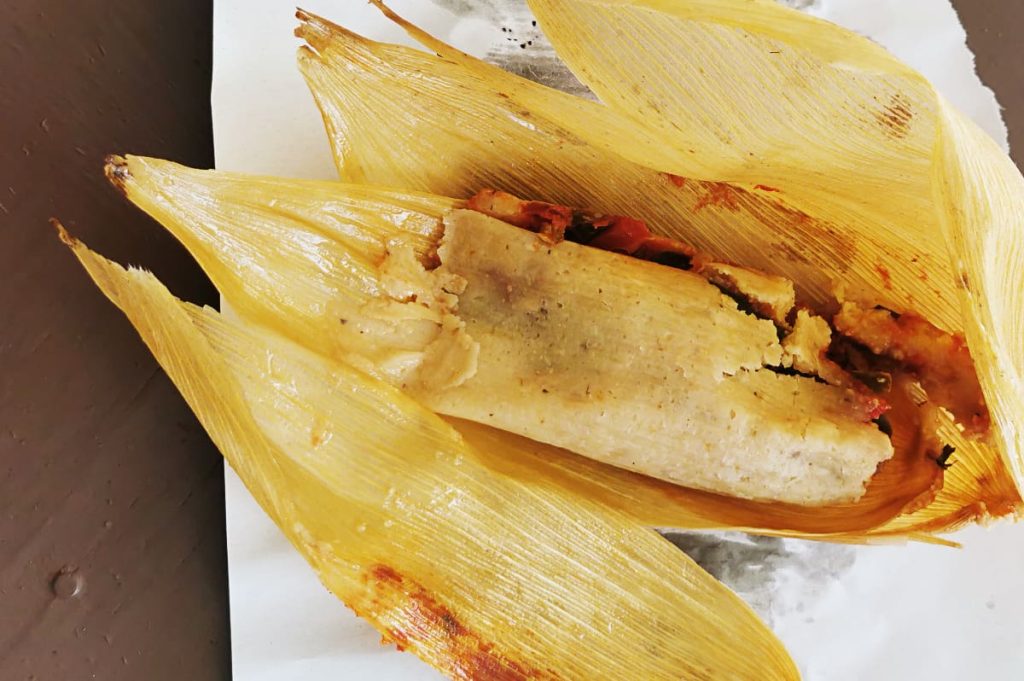
- Tamal de Rajas – Filled with strips of roasted poblano pepper, onions, and shredded chicken or cheese. They are smoky, savory, and mildly spicy.
- Salsa Verde – Stuffed with chicken or pork and spicy, tangy salsa verde.
- Salsa Rojo – Stuffed with chicken or pork in a savory and spicy salsa roja.
- Tamal de Mole – Wrapped in corn husks or banana leaves and stuffed with turkey or chicken and sweet mole negro or spicy mole rojo.
2. Oaxacan Tamales (Mole Negro)
These are hands down my favorite type of tamal. Wrapped in banana leaves instead of corn husks, these tamales are noticeably softer and moister than other varieties. and stuffed with chicken or turkey in a sweet mole negro, with a better filling to dough ratio than other tamales.
Oaxacan tamales aren’t just my favorite. They have become a fixture of Mexico City’s street food scene. You’ll hear vendors call out “tamales oaxaqueños,” in the mornings and evenings.
3. Corundas
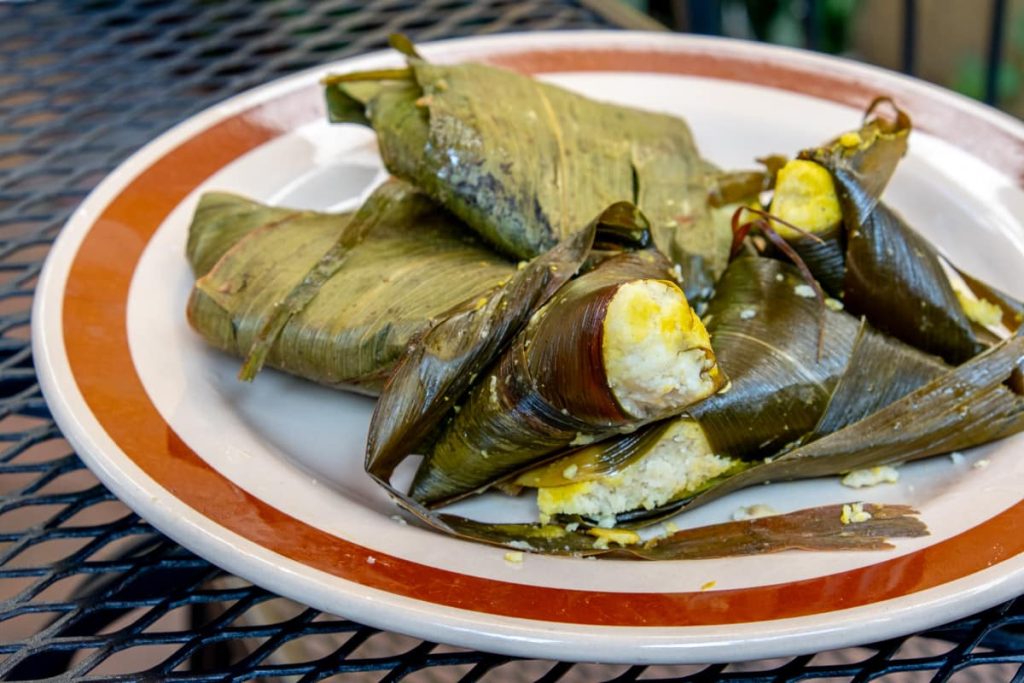
Corundas come from the Purépecha, an Indigenous people of Michoacán, and they barely resemble a typical tamal. They have no filling, but sometimes vegetables, quelites or herbs are mixed into the dough.
Rather than corn husks, they’re wrapped in green corn leaves, and folded into a distinctive triangle shape. Corundas are served topped with cream, cotija cheese and red or green salsa. They are a staple among the traditional foods in Michoacán.
4. Uchepos
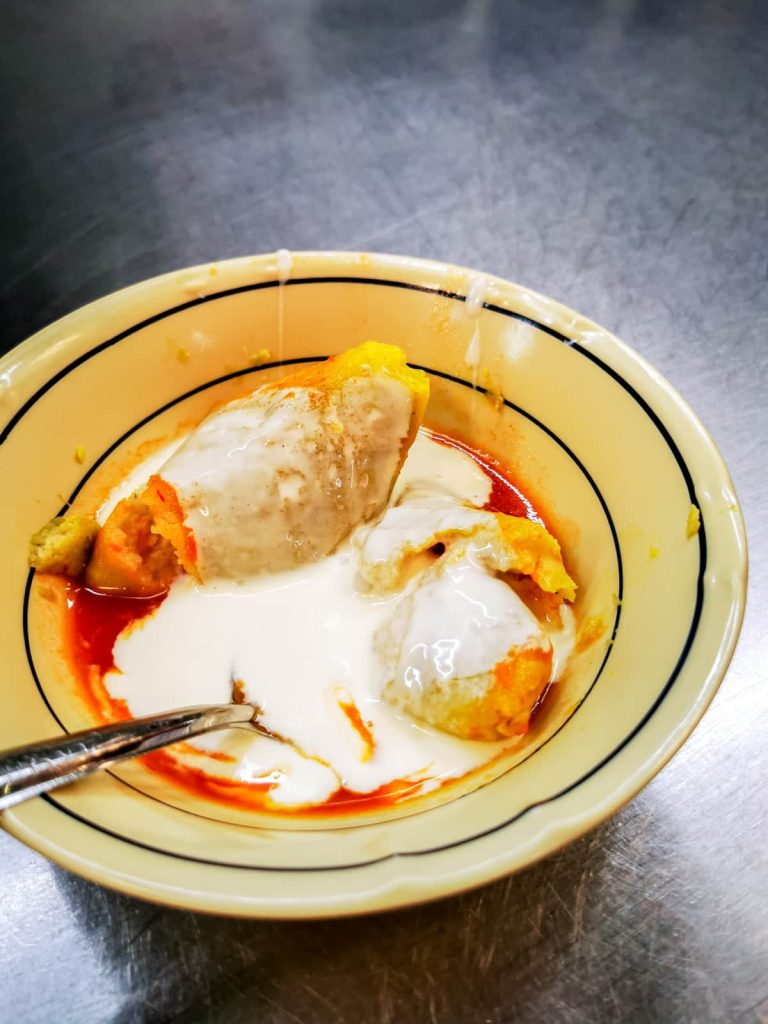
Also from Michoacán, uchepos are made with tender, young corn and come in sweet or savory varieties. Like corundas, they’re wrapped in green corn leaves and are smaller than typical tamales. Sweet ones are usually eaten with cajeta or condensed milk. Savory ones are topped with cream, cotija cheese, and salsa, or served alongside beans or a guisado (stew).
5. Tamales de Tichindas
Found along La Costa Chica, the coastal stretch of Oaxaca and Guerrero, these are made with small, dark-shelled mangrove mussels harvested from coastal lagoons. The mussels are mixed directly into the masa, shells and all, then steamed until they open.
Tamales de Tichindas are briny, spicy, and a great example of the culinary heritage of this region’s Afro-Mexican and Indigenous communities. La Costa Chica is home to one of Mexico’s largest Afro-Mexican populations, descended from enslaved Africans brought to the region during the colonial era.
Did you know? Tamales also play a big part in Christmas celebrations in Mexico. But the season doesn’t really end on December 25th.
On January 6th (Día de los Reyes), families cut into the rosca, a ring shaped bread with tiny baby figurines baked inside. If you find a baby in your slice, you’re on the hook to host the next party: a tamal feast one month later on February 2nd (Día de la Candelaria).
6. Tamales de Elote
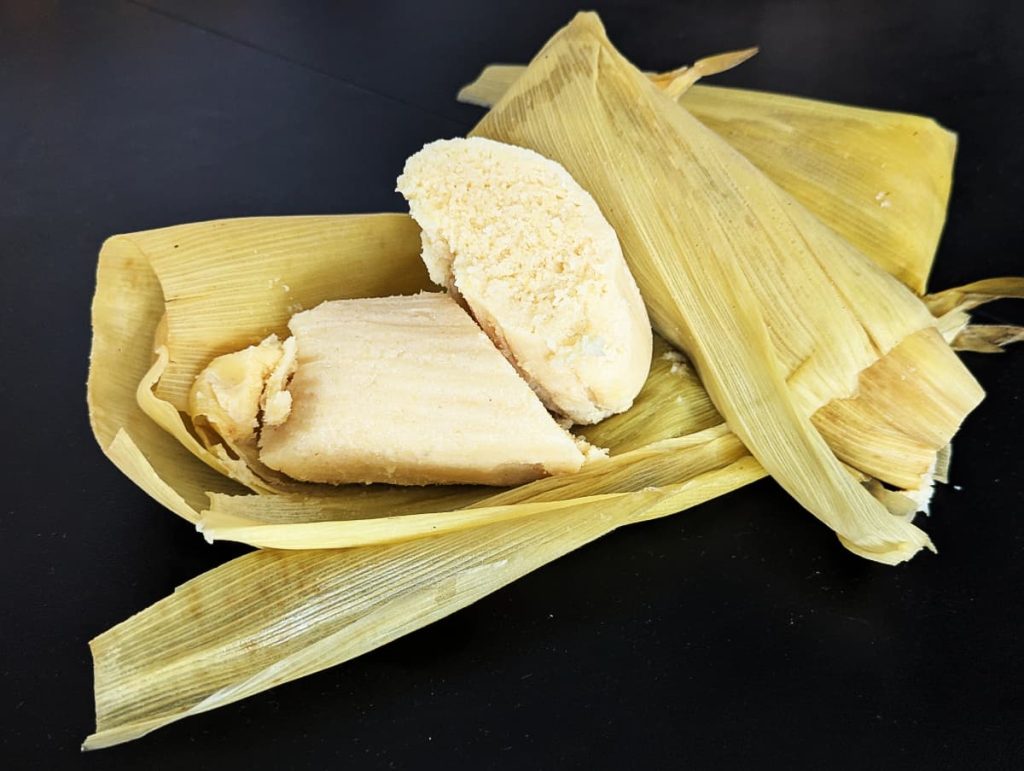
These Mexican tamales use the sweeter, less starchy varieties of corn to make the dough, and then mix in whole corn kernels. Some varieties of tamal de elote are further sweetened with condensed milk which creates a sticky, dense dough with a flavor similar to sweet cornbread. In Oaxaca’s Sierra Norte, these tamales are stuffed with a spicy, salty black bean filling that contrasts with the sweet elote dough.
7. Zacahuil
This type of tamal can stretch over a meter long and weigh up to 50 kilos. It’s wrapped in banana leaves and filled with pieces of pork, chicken or turkey.
The dough is mixed with guajillo chili paste and lard for a rich, savory bite, and the whole thing is slow baked in a woodfire or underground oven. Zacahuil is made for weddings and community events in La Huasteca Potosina, a region known for its striking turquoise rivers and waterfalls.
8. Pibipollo

A large, savory tamal from the Yucatán Peninsula, pibipollo uses corn masa colored with achiote and mixed with espelón, a local black bean. It’s filled with chicken or pork, wrapped in banana leaves, and buried in an underground pit oven called a “pib,” a cooking technique that goes back to the ancient Maya.
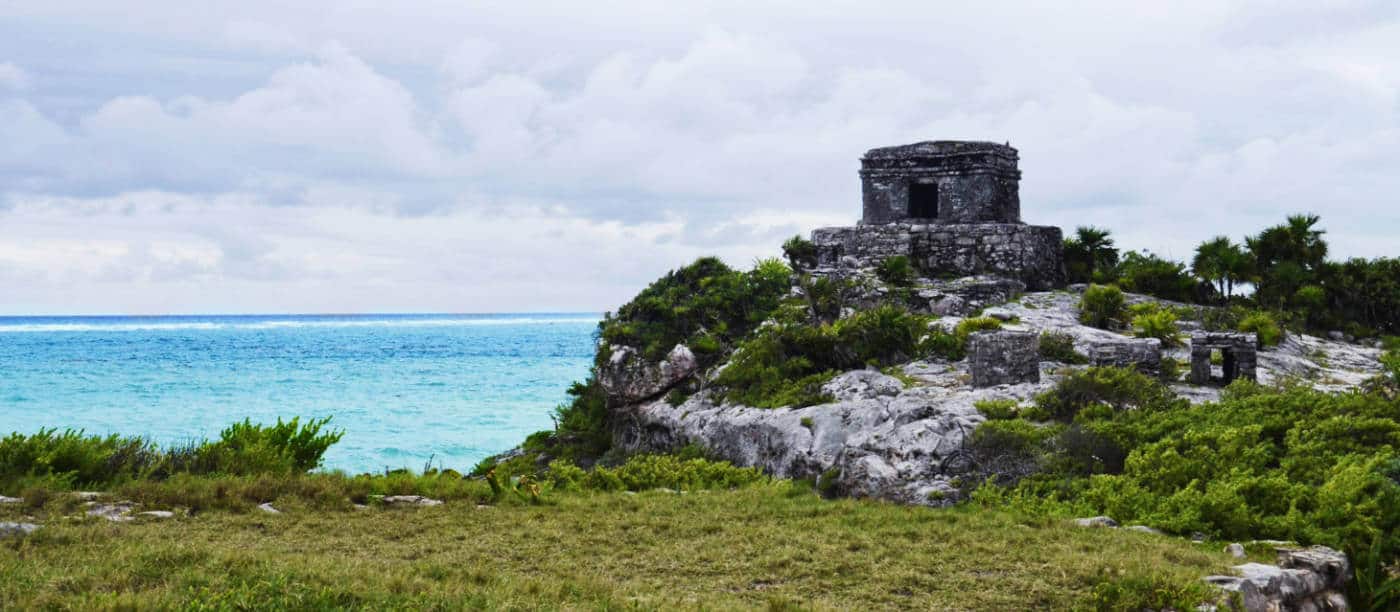
The cooking method gives the tamal its name: mucbipollo, which roughly means “buried chicken” It’s one of the Mexican Day of the Dead foods prepared for Hanal Pixán, Yucatecan Día de Muertos, as an offering for departed loved ones.
Planning a trip to the Yucatán? Here are my favorite things to do in Merida.
9. Tamales de Chipilín
Common in southern Mexico and Guatemala these tamales incorporate chipilín, a leafy green herb with an earthy flavor, directly into the masa. They’re paired with spicy red salsa and reflect the strong Indigenous culinary traditions of southern Mexico.
10. Types of Sweet Tamales
Sweet tamales swap savory fillings for ingredients like raisins, pineapple, or strawberry. The masa is often dyed pink and lightly sweetened. They’re a popular dessert or breakfast option, sold alongside their savory counterparts at the same stands.
Want to learn how to make tamales? Check out our favorite cooking classes in Mexico City.
Atole and Tamales
Listen for street vendors singing out their tamales in the early morning: rajas, verde, mole, dulce. Next to the steamed tamales is a container of atole, a warm, thick, traditional drink in Mexico that’s made from corn masa and milk or water. It’s flavored with piloncillo (brown sugar), vanilla, or fruit. Chocolate is also common but that version has its own name, champurrado.
Together, the pairing feels like a warm hug on an early morning. Steam rises off a styrofoam cup as you sip the atole slowly, alternating each sip with a bite of tamal. It’s a carb-heavy combo and a typical breakfast in Mexico, cheap and filling enough to carry locals through the day ahead.
Torta de Tamal
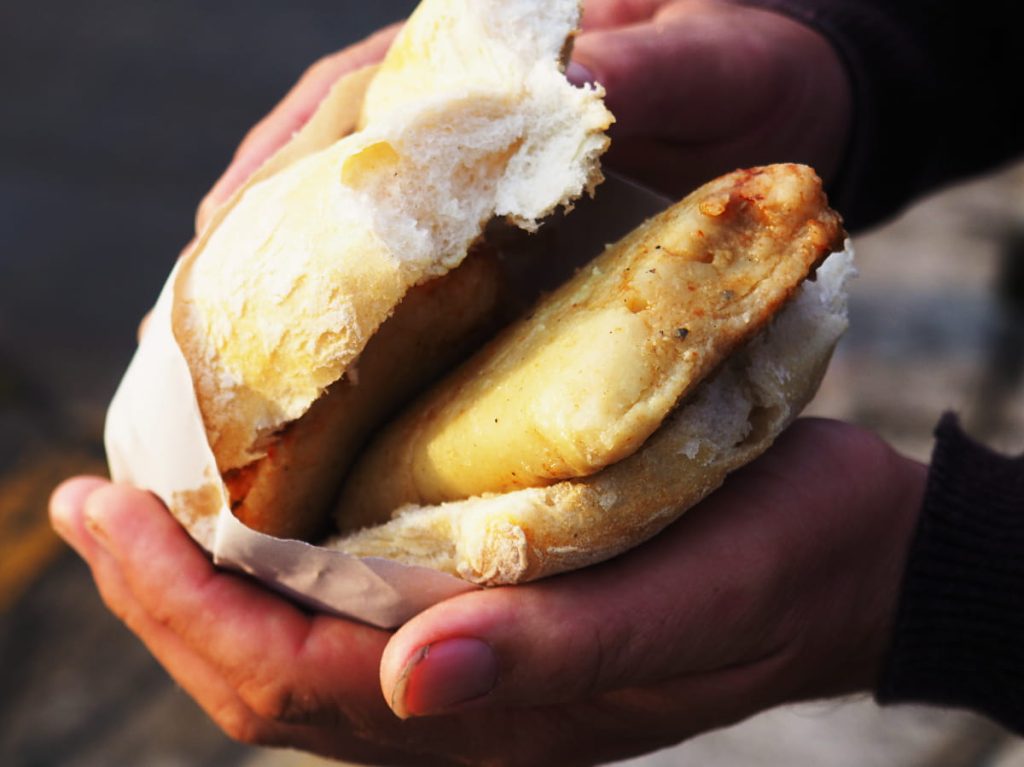
Also known as a guajolota, this popular breakfast in Mexico City and other areas of central Mexico stuffs an entire tamal inside a bolillo, a type of bread that’s beloved in CDMX. They’re great when you need a quick, inexpensive breakfast that lasts until lunch.
Types of Tamales in Latin America
Tamales exist across nearly all of Latin America, but the name, wrapping, and filling can change from one country to the next. Some countries kept the word tamal, others gave the dish a name all its own.
- Colombia keeps the name tamal. Its most iconic version, the tamal tolimense, mixes corn masa with rice, chicken, pork, and hard-boiled egg, wrapped in banana leaf.
- Ecuador is known for humitas, fresh corn ground into a paste, sometimes sweet, sometimes savory with cheese, wrapped in corn husks and steamed. They’re common for breakfast alongside coffee and one of the most popular Ecuadorian snacks.
- In Venezuela they’re called hallacas and are especially tied to Christmas. The corn masa is colored with achiote, filled with a beef, pork, or chicken stew with raisins, olives, and capers.
- Tamales are a Sunday tradition in Guatemala, made with a tomato-based sauce called recado. Regional versions vary by what goes into the masa: corn, rice, and even potato.
- Panama skips the wrapper altogether. Tamal de olla is cooked directly in the pot rather than wrapped in a leaf, layering cornmeal with pork or chicken, vegetables, olives, and raisins.
How to Eat a Tamale
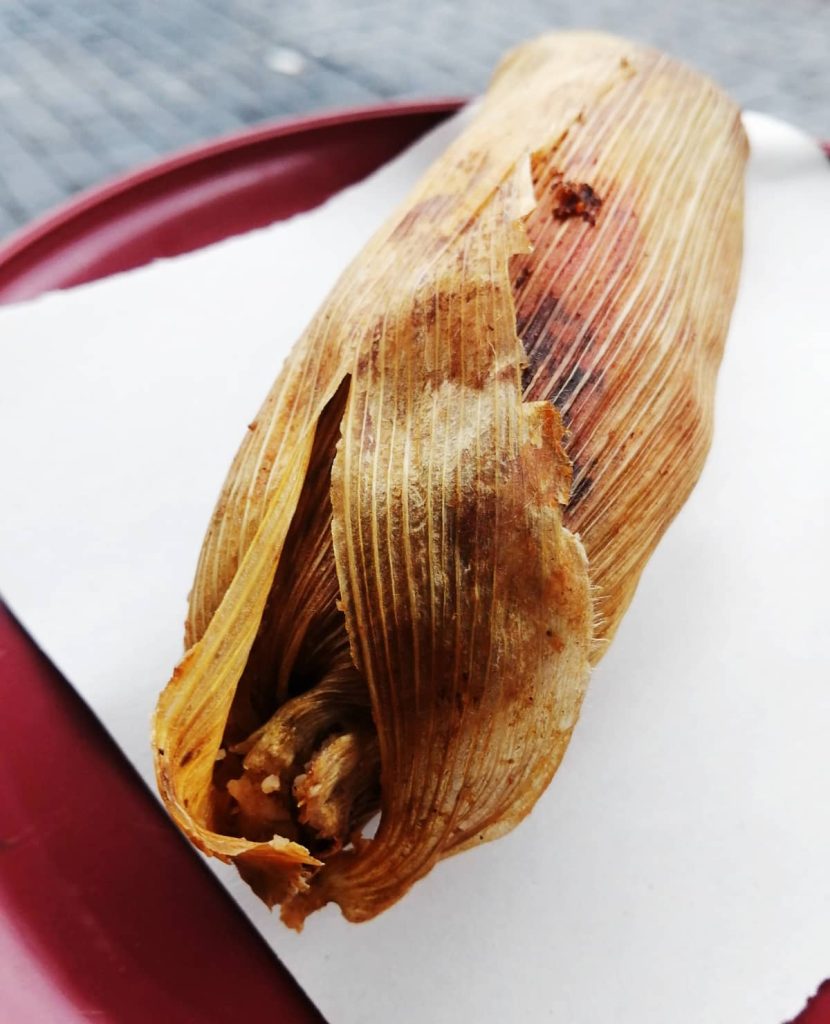
To eat a tamale, first unfold the corn husk or banana leaf carefully (they come out hot enough to burn your fingers). Once unwrapped, eat the tamal with a utensil or by hand. Depending on the variety you can add salsa, cream or cheese on top. Tamales are typically eaten warm, straight out of the steamer.
Do you eat the corn husk of a tamale?
No, you do not eat the corn husk of a tamale. The husk is only used to hold the masa (corn dough) together while it steams, giving the tamale its shape and a subtle corn aroma. Once the tamale is cooked, you peel back and discard the husk, then eat only the masa and filling inside.
What is a Tamale?
A tamal is a traditional Mexican food made of masa (ground corn dough) that’s mixed with lard, broth, and sometimes a leavening agent. It’s then spread in a thin layer in a corn husk or banana leaf, topped with filling, wrapped and steamed until firm. Tamales date back thousands of years to Mesoamerica and remain one of the most popular foods in Mexico.
What does a tamale taste like?
A tamale’s taste depends entirely on its filling and the region it comes from. The masa itself has a mild, slightly nutty corn flavor with a soft, dense texture, similar to a thick cornbread. Savory versions are rich and hearty from meat, cheese, or salsa fillings, while sweet tamales taste more like a light, corn cake.
What do Mexicans eat with tamales?
Mexicans eat tamales as a standalone meal, similar to how others might eat a sandwich. Depending on the region tamales can be eaten stuffed inside a bolillo, topped with salsa, cheese, or cream, and paired with drinks like café de olla, atole, champurrado, or juice.
What is the most common tamale filling?
The most common tamal filling is pork with salsa verde or roja. While other proteins and fillings are common, pork remains an economical meat that is easy to prepare. The lard rendered from the pork and the broth left from cooking are often incorporated into the tamal as well.
Wrapping Up the Types of Tamales
Tamales are more than a wrapped bundle of corn dough. They’re a living record of Latin America’s regional identities, carried forward through techniques passed down for generations.
Whether it’s a mussel-studded tamale from a lagoon in Oaxaca, a giant Huastecan zacahuil built to feed a village, or a fresh corn humita for a traditional breakfast in Ecuador, each version tells you something specific about the land and the people who made it.
The next time you unwrap one, you’re not just eating, you’re tasting a piece of where it came from.