
15 Ecuadorian Drinks to Try: Alcoholic and Non

Traditional drinks of Ecuador might not be as well known as the country’s landscapes or cuisine, but they’re just as worthy of exploring.
From herbal teas made with mountain flowers to strong local liquors, I’ll walk you through the most popular drinks in Ecuador, both alcoholic and non-alcoholic.
Some, such as chicha, have deep cultural roots. Others, like colada de avena, are part of daily life. You’ll also discover a few surprises: a pink herbal tea made by nuns in Cuenca and a bright blue liquor tied to Carnaval traditions.
After spending six weeks in Ecuador, I quickly learned that drinks can reveal as much about a place as its food. Whether I was sipping guayusa in the Amazon or jugo de caña after soaking in the hot springs, tasting these traditional drinks added depth to my discovery of Ecuador.
This article may contain affiliate links. This means if you click a link on my website and make a purchase, I earn a commission at no additional cost to you. For full information, please see my disclaimer here.
Non Alcoholic Drinks in Ecuador
From herbal teas to fresh juices, non-alcoholic drinks in Ecuador reflect the country’s regional ingredients and local customs. Some are rooted in Indigenous traditions, while others are part of everyday life, served at markets, cafés, and street carts.
I’ve included the most popular Ecuadorian drinks you’re likely to come across, including a few you might not expect.
1. Horchata Tea
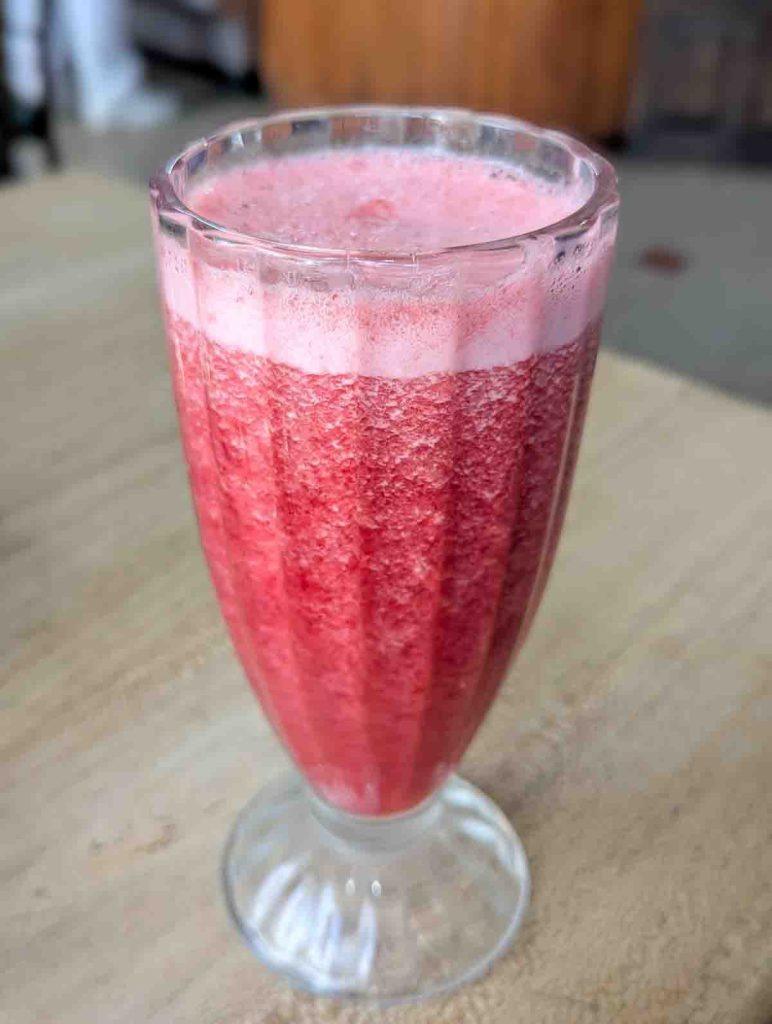
If you’re used to the sweet rice drink that’s popular in Mexico, Ecuadorian horchata will surprise you. It’s an herbal tea made from a blend of more than 20 plants and flowers: lemon balm, mint, chamomile, lemon verbena, lemon grass, roses, violets, begonias, carnations, and more.
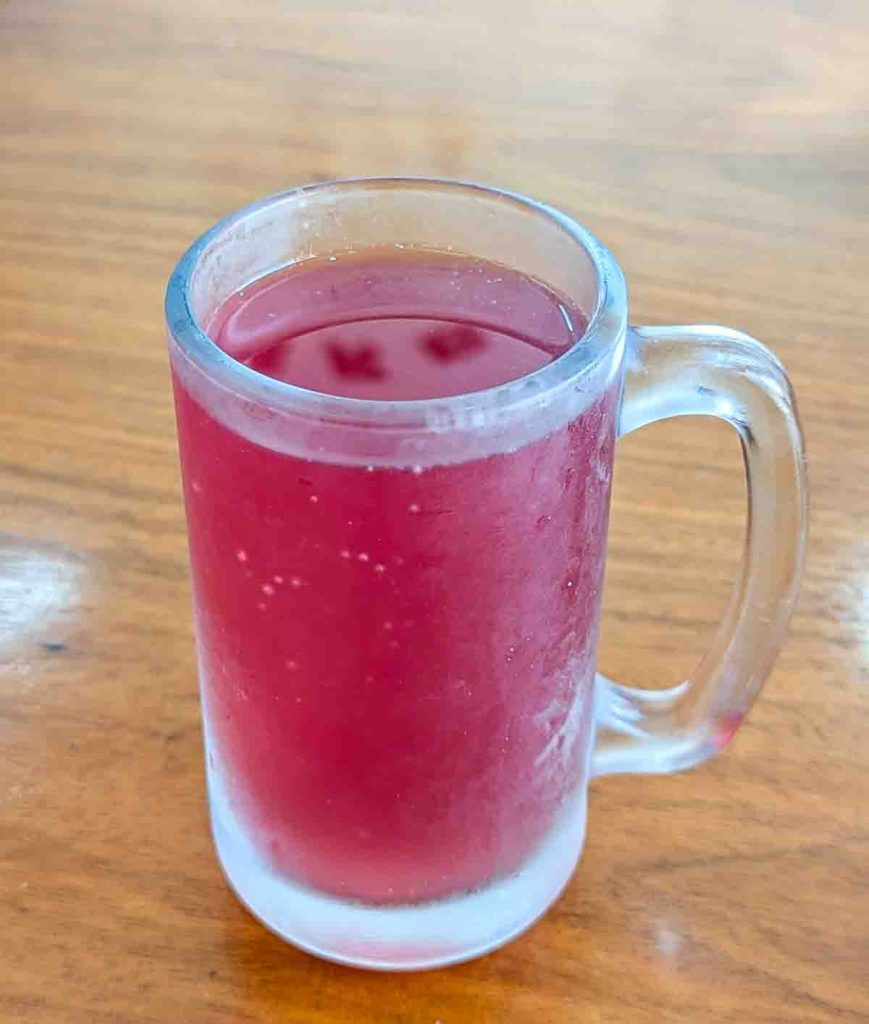
It usually arrives cold, slightly sweet, and deep pink in color from the addition of the plant bloodleaf. When it’s served cold, it’s light and refreshing. But I also drank it hot at a cute café during our 4 days in Quito, and it was just as good. Té de horchata is one of the most traditional non-alcoholic drinks in Ecuador, specifically from Loja.
2. Guayusa Tea
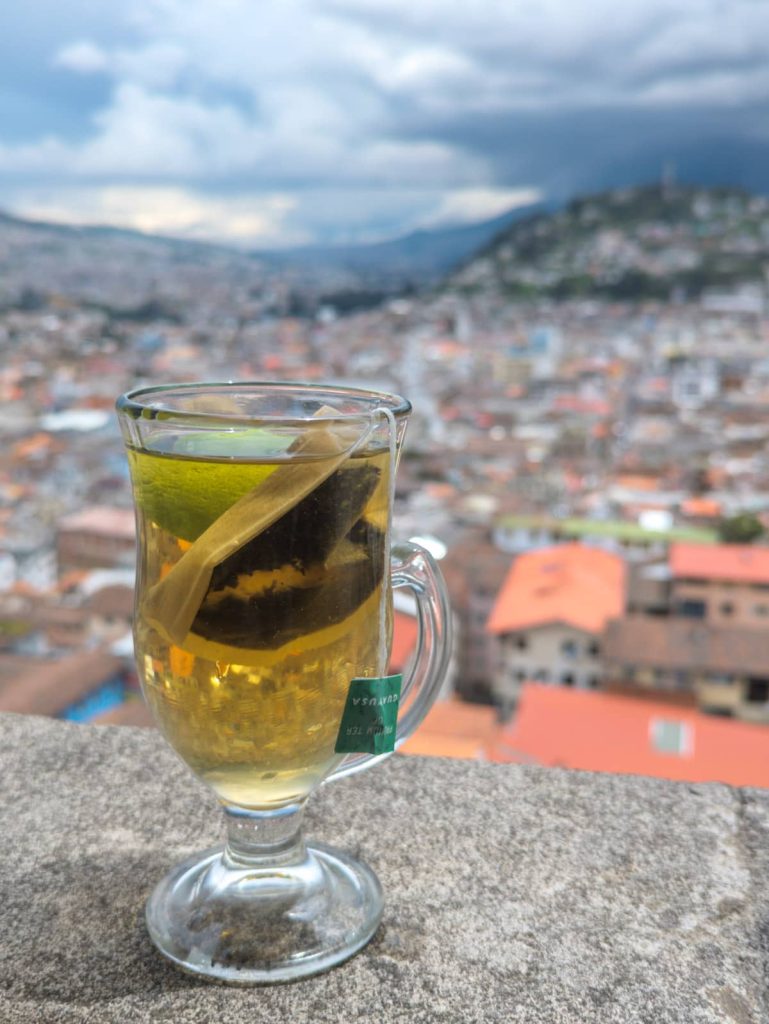
Guayusa is a traditional tea from the Amazon that is made from the leaves of the guayusa tree, a caffeinated plant related to yerba mate. It has an earthy, slightly sweet flavor without the bitterness you find in green or black tea.
This was another of my favorite Ecuadorian drinks. So much so that I brought home a sealed bag as one of my souvenirs from Ecuador. I first tried it in the highlands, but later came across it again while spending a week in the Amazon jungle near Tena, Ecuador. If you want a smooth caffeine boost, guayusa is worth seeking out.
3. Jugo de Caña
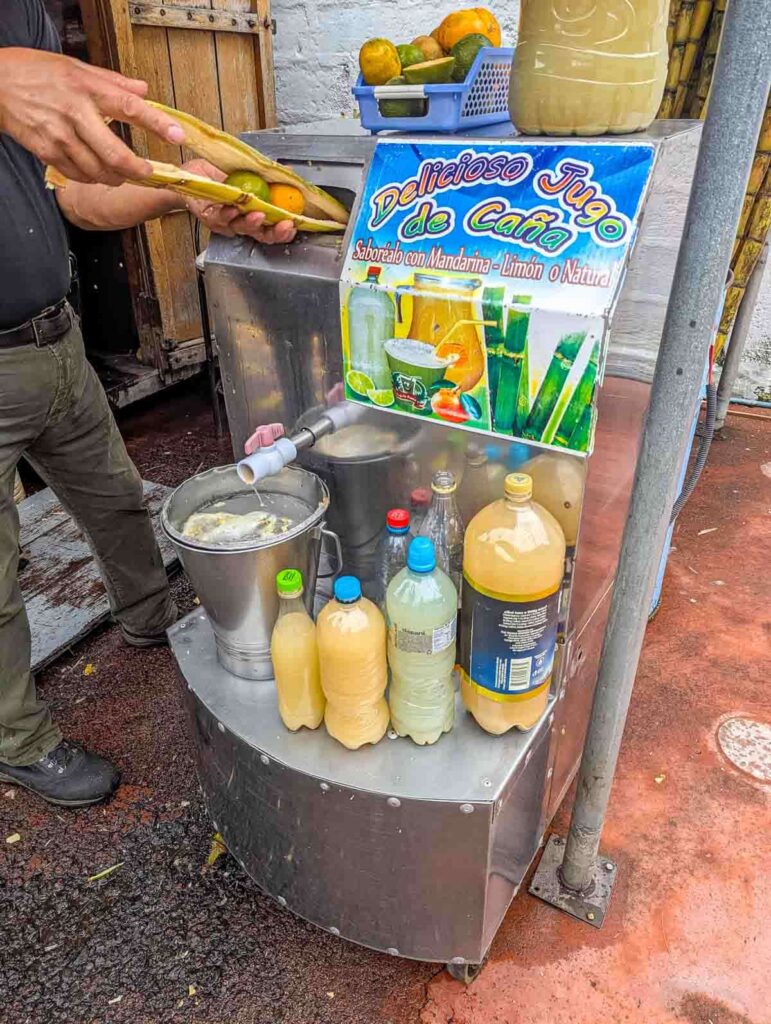
Jugo de caña is fresh-pressed sugarcane juice, extracted straight from the stalk using a hand-cranked or electric machine. The result is smooth, grassy, and intensely sweet. Although it’s often balanced with oranges and limes to round out the flavor.
This is popular to drink in Ecuador after soaking in hot springs as it’s believed to help restore your energy. I first tried it while visiting Baños Ecuador, where you’ll see carts lined up near the baths and pressing sugar cane to order.
4. Morocho

Morocho is a warm, spiced drink made with cracked white corn, milk, sugar, and cinnamon. Thick and creamy, it’s filling enough to count as both a drink and one of the most traditional Ecuadorian street foods.
You’ll find it sold at market stalls and street carts, especially in the highlands.
5. Colada de Avena
Colada de avena is a nourishing drink that is served for breakfast, lunch, or as an afternoon snack. It’s made from oats simmered with water, cinnamon, sugar, and naranjilla (lulo fruit). The result is a thick, slightly sweet beverage that’s served hot or chilled.
You’ll find other variations across Ecuador—some made with milk, others with different fruits like pineapple, passion fruit, or babaco (mountain papaya), and occasionally flavored with warming spices or herbs.
6. Colada Morada
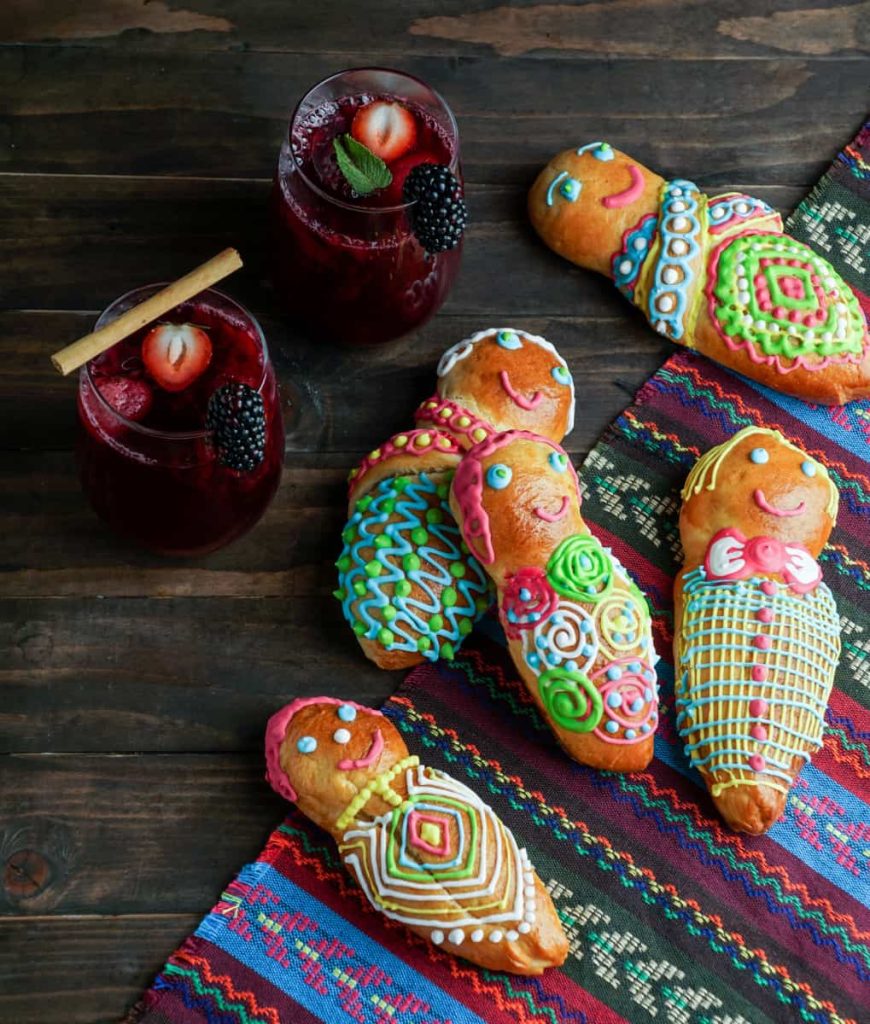
Colada Morada is a different version that is traditionally prepared in early November for Día de los Difuntos (Day of the Dead). Thick, spiced, and deep purple in color, it’s made with purple corn flour, a variety of fruits and berries, and warming spices like cinnamon and cloves.
It’s served hot, often alongside guaguas de pan—sweet bread shaped like dolls. Even if you’re not visiting during the holiday, it’s worth keeping your eye out for it. Colada Morada is one of the most unique Ecuadorian drinks, rich in both flavor and cultural significance.
7. Fresh Juice
After years of living and traveling in Latin America, I’m used to starting the day with fresh juice. But what surprised me in Ecuador was the variety. Thanks to the country’s temperate climate, especially in the highlands, you’ll find all kinds of berries and unique tropical fruits.
My favorite was jugo de mora (blackberry). You’ll also find juices made with guanábana (soursop), naranjilla (lulo), tomate de árbol (tree tomato), maracuyá (passion fruit), and more.
8. Hot Chocolate
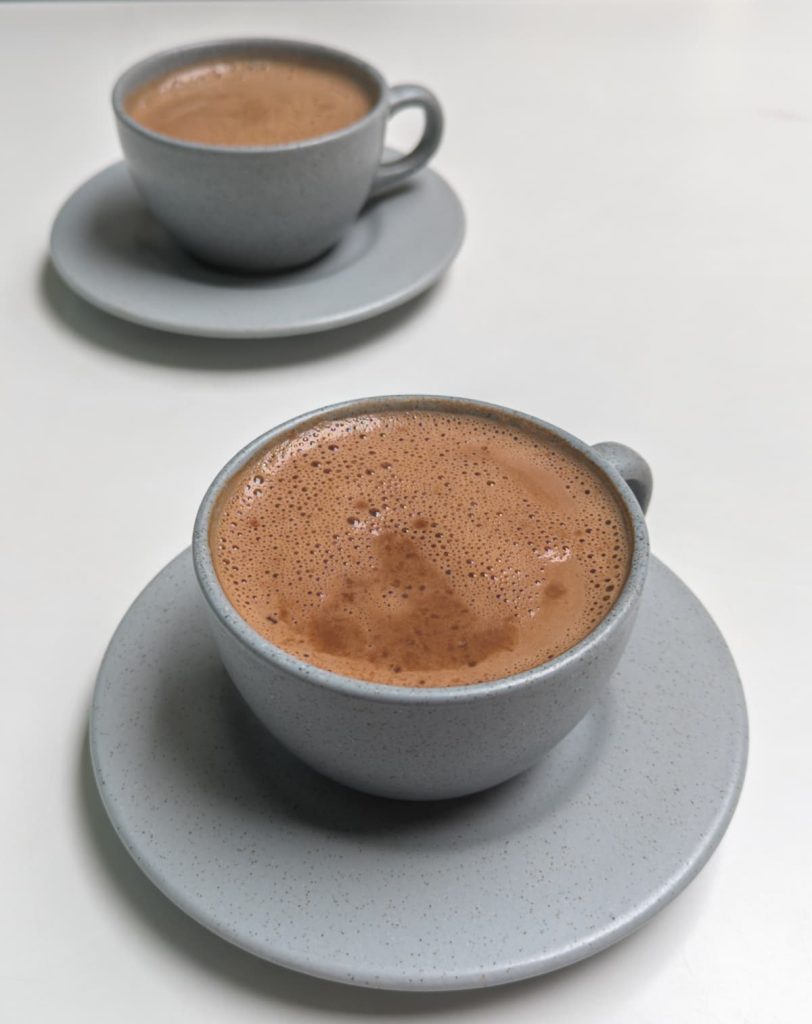
Ecuador may not be the only country known for hot chocolate, but drinking a cup does feel more meaningful here. This is the birthplace of cacao, after all.
I especially enjoyed drinking hot chocolate in Cuenca, where cozy cafés in the historic center made it feel like part of the experience. The spot pictured above even made my list of favorite things to do in Cuenca.
9. Agua de Pitima
Agua de Pitima is a light herbal drink traditionally made by nuns in Cuenca that is said to have calming properties. It’s made from a blend of herbs and flower essences, though the exact recipe remains a mystery.
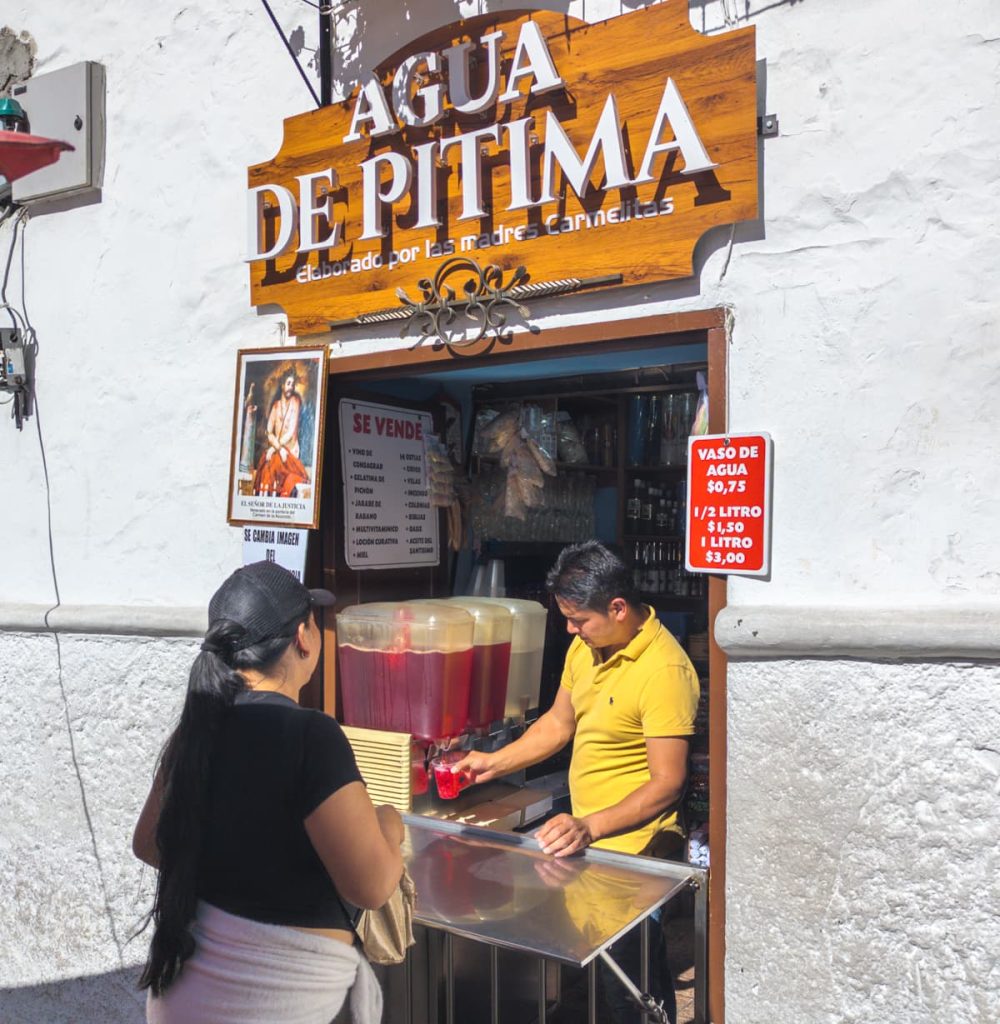
This is one of the more unique Ecuadorian drinks you’ll come across while exploring the markets of Cuenca. And even if you’re not convinced by its relaxing effects, it’s worth trying to experience a local tradition that’s still carried on behind the monastery walls.
Alcoholic Ecuadorian Drinks
Alcoholic drinks in Ecuador range from strong sugarcane spirits to fermented corn beverages with deep tradition. Some are easy to find in stores and bars, while others are tied to specific regions or festivals. Here are the traditional Ecuadorian drinks with alcohol you should know.
10. Aguardiente
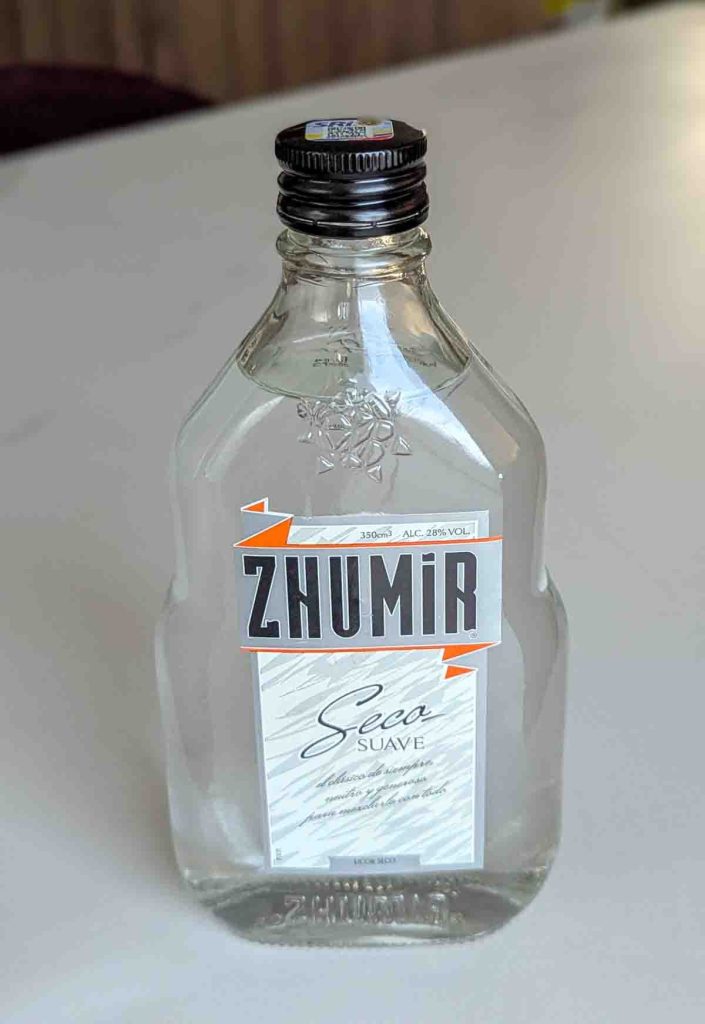
Aguardiente is one of the most popular alcohols in Ecuador—despite being more famously known as the national drink of Colombia. This strong, anise-flavored liquor is made from distilled sugarcane and usually clocks in around 30% ABV, though homemade batches can hit harder.
It’s cheap, easy to find, and fuels everything from casual hangouts to all-night parties. You’ll see aguardiente sold in small bottles at corner stores and markets throughout the country. It’s usually sipped straight or mixed with juice or soda.
Fun Fact – There are different slang terms for a hangover in Latin America. In Ecuador it’s Chuchaqui, a Quechua word that comes from ‘chaqui,’ which refers to the feeling that lingers after chewing coca leaves.
11. Canelazo
Canelazo is a traditional drink in Ecuador made by boiling cinnamon and sugar, then spiking it with aguardiente. Served hot, it’s great for warding off the chill of Ecuador’s mountain nights.
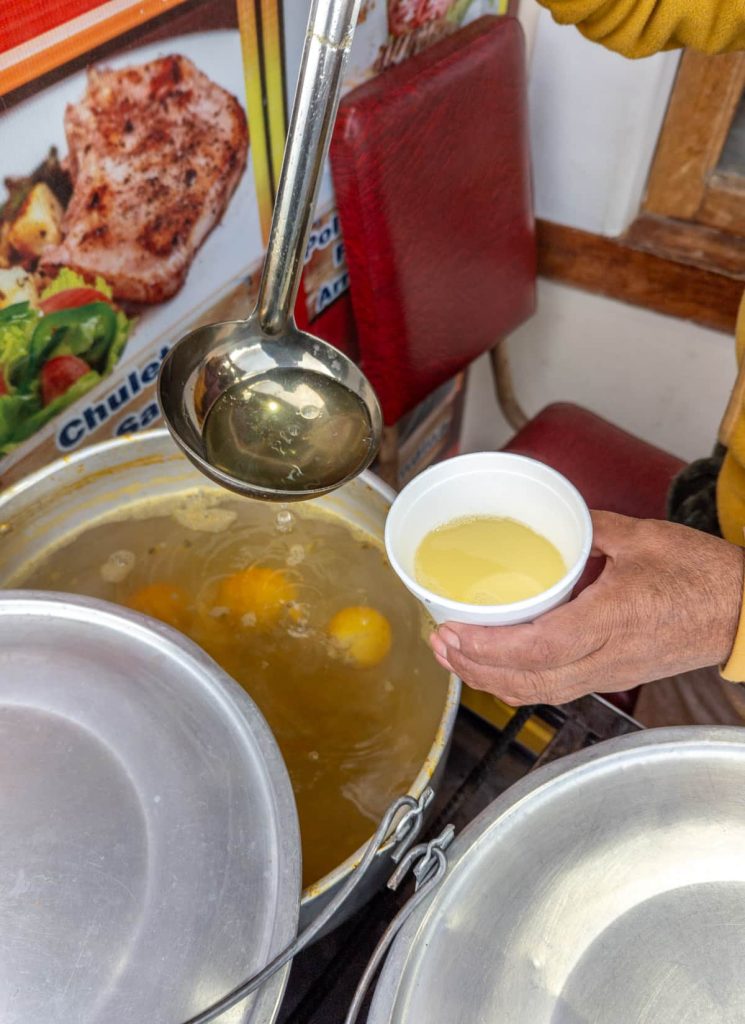
I sipped on a hot canelazo in Ecuador a few times, but I didn’t truly appreciate it until I stayed overnight at Laguna de Quilotoa. The altitude crept up on me, and a warm cup of canelazo with dinner helped ease a budding headache. It was so relieving that I grabbed a second cup to sip on the walk back to my hotel.
12. Chicha de Jora
Chicha de jora is a traditional drink made from fermented corn. With roots going back to pre-Columbian times, it was once used in ceremonial rituals and is still made in several South American countries. The flavor is tart and sour, like a rustic version of kombucha and with a similarly low alcohol content.
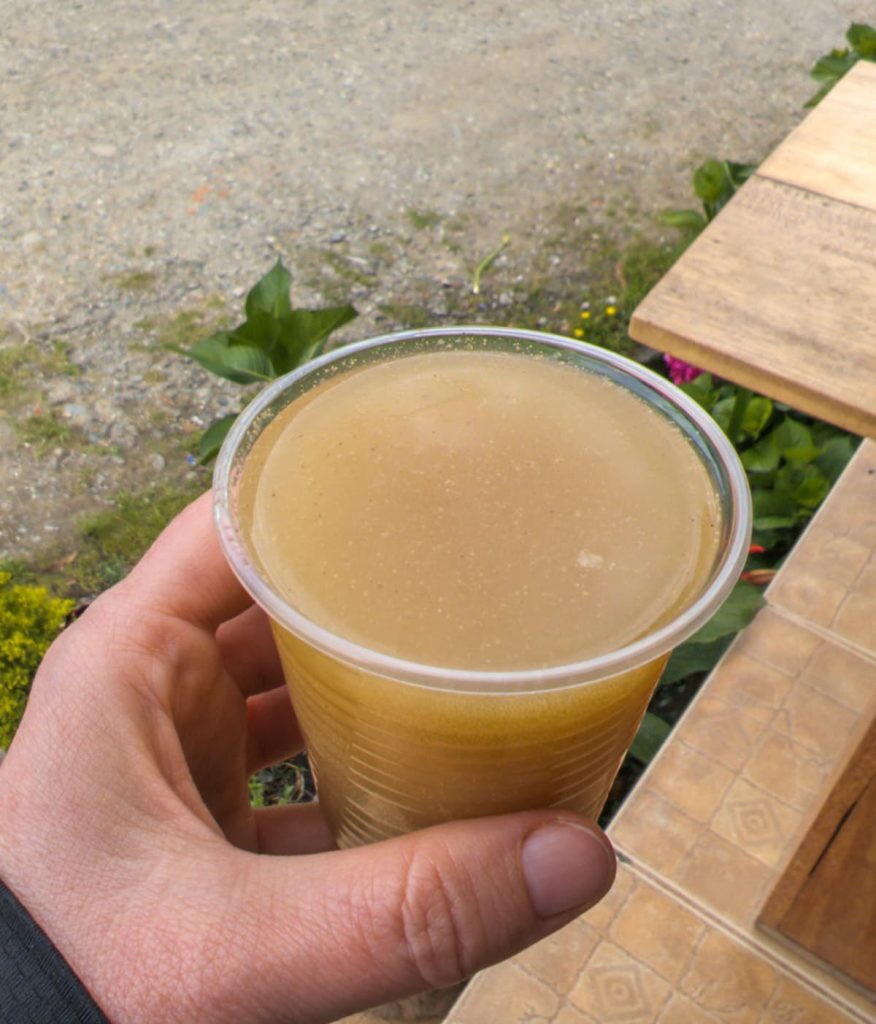
I first fell in love with chicha in Villa de Leyva, Colombia, so I was excited to try it again in Ecuador. But even after weeks in the Andes, I rarely came across it. So when I spotted a hand-painted sign for chicha de jora while visiting the Ingapirca ruins on a day trip from Cuenca, I didn’t hesitate.
13. Chica de Yuca
In the Amazon, chicha is made by fermenting mashed yuca—sometimes with the help of saliva, which helps to kick start the fermentation process. Here chicha is deeply traditional and typically consumed in a communal setting.
I tried chicha de yuca during a visit to a local community while staying in the Ecuadorian Amazon. We helped mash the yuca and then got to taste the final product from a different batch. Some communities in the Amazon make chicha from chonta, a red fruit of the chonta palm.
14. Ecuadorian Beer
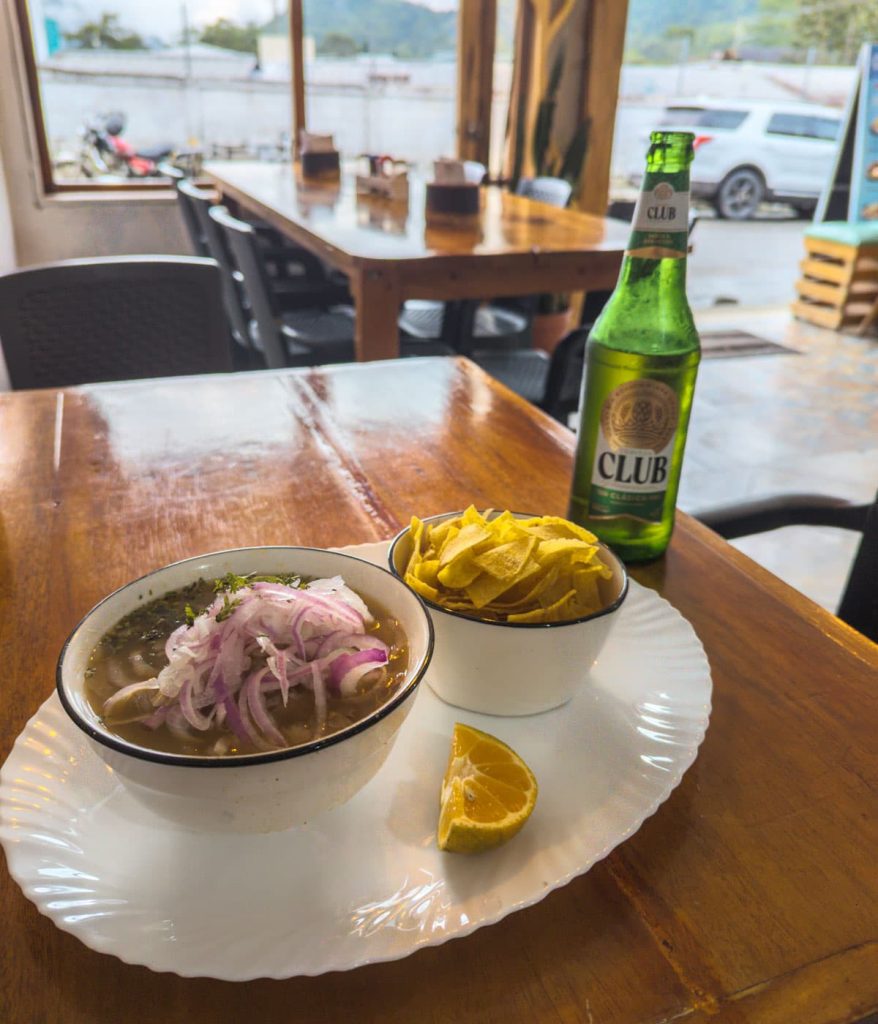
Beer is one of the most popular drinks in Ecuador, and the go-to option across the country is Pilsener. First brewed in 1913, this light lager is considered the national beer of Ecuador. You’ll see its iconic yellow label everywhere—from coastal ceviche spots to highland cantinas.
Club Premium is another common choice, slightly stronger and smoother. And if you’re into craft brews, cities like Quito and Cuenca have a growing scene with taprooms offering IPAs, stouts, and seasonal flavors.
15. Pájaro Azul
Pájaro Azul is a traditional liquor from the highland city of Guaranda, known for its lively Carnaval celebrations. Infused with herbs and mandarin peels, this blue-tinted aguardiente is bold, aromatic, and deeply tied to local tradition.
Its name is the stuff of legend. Some say it’s for the feeling it gives you—like a bird flying in your chest. Others say it honors the Andean sky. And another favorite story dates back to 1937, when villagers mistook a blue airplane for a mystical bird and toasted with homemade liquor in its honor.
Wrapping Up Drinks From Ecuador
Ecuadorian drinks reflect the country’s landscapes, traditions, and daily life—from herbal teas to strong spirits served during local festivals.
Whether you’re warming up with canelazo in the Andes or learning to make chicha in the Amazon, tasting the drinks of Ecuador can open up a deeper connection to the culture.